4 Days / 3 Nights
Daily Tour
15 people
Chinese, English, French, German, Italian, Polish, Russian, Spanish
White Desert Camping · Ancient Oases · Archaeological Sites · Western Desert Adventure
Travel beyond Egypt’s classic tourist trail on an extraordinary four-day journey through the Western Desert, from the surreal formations of the White Desert to the ancient villages, temples and necropolises of Dakhla and Kharga.
Discover a side of Egypt that relatively few travelers experience on this 4-day White Desert, Dakhla and Kharga Oasis tour.
This journey takes you deep into Egypt’s Western Desert, combining one of the country’s most extraordinary natural landscapes with remote oasis communities and archaeological sites spanning thousands of years.
Your adventure begins in Bahariya Oasis, where you exchange the paved road for a 4×4 safari and travel into the desert.
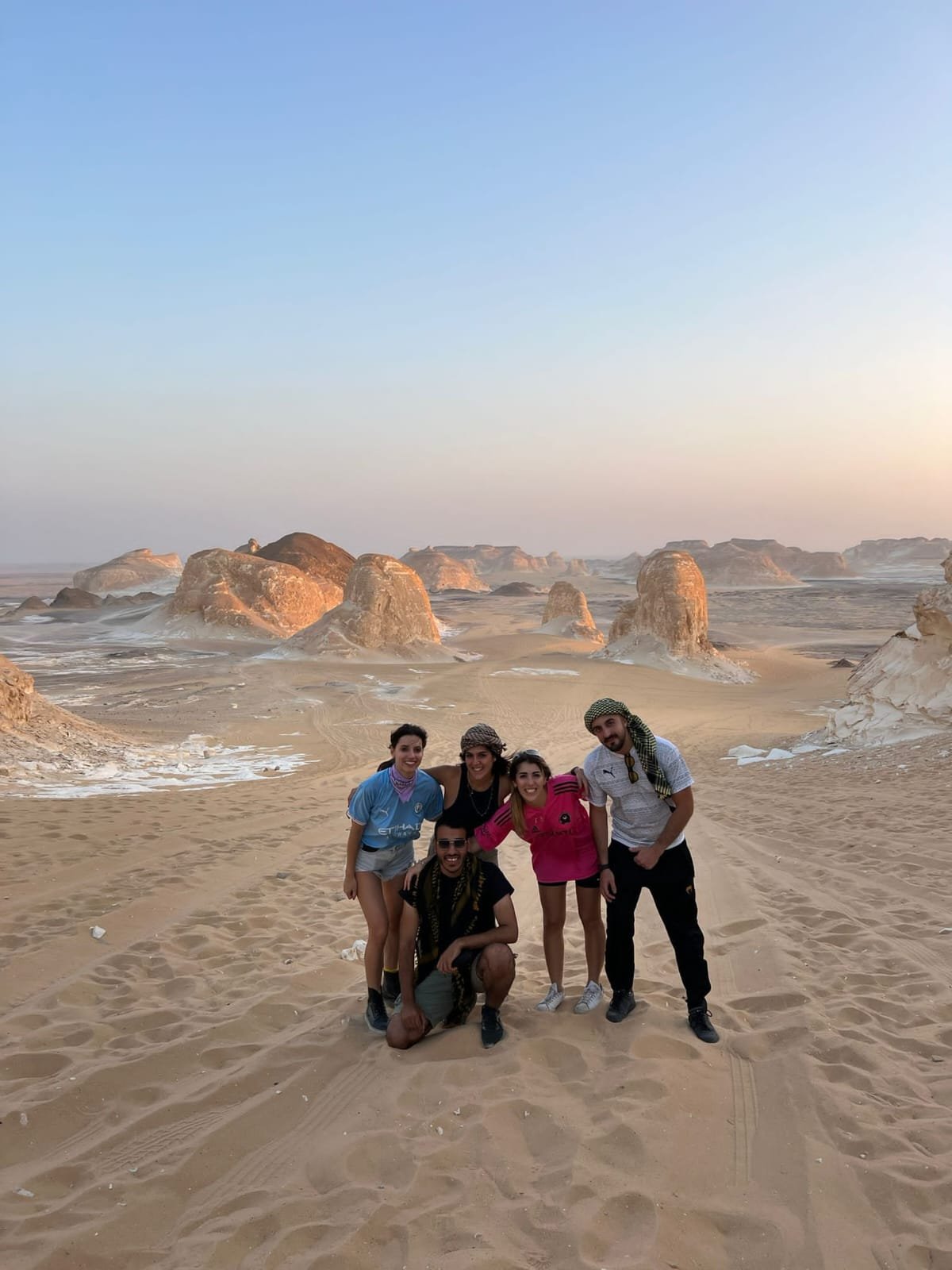
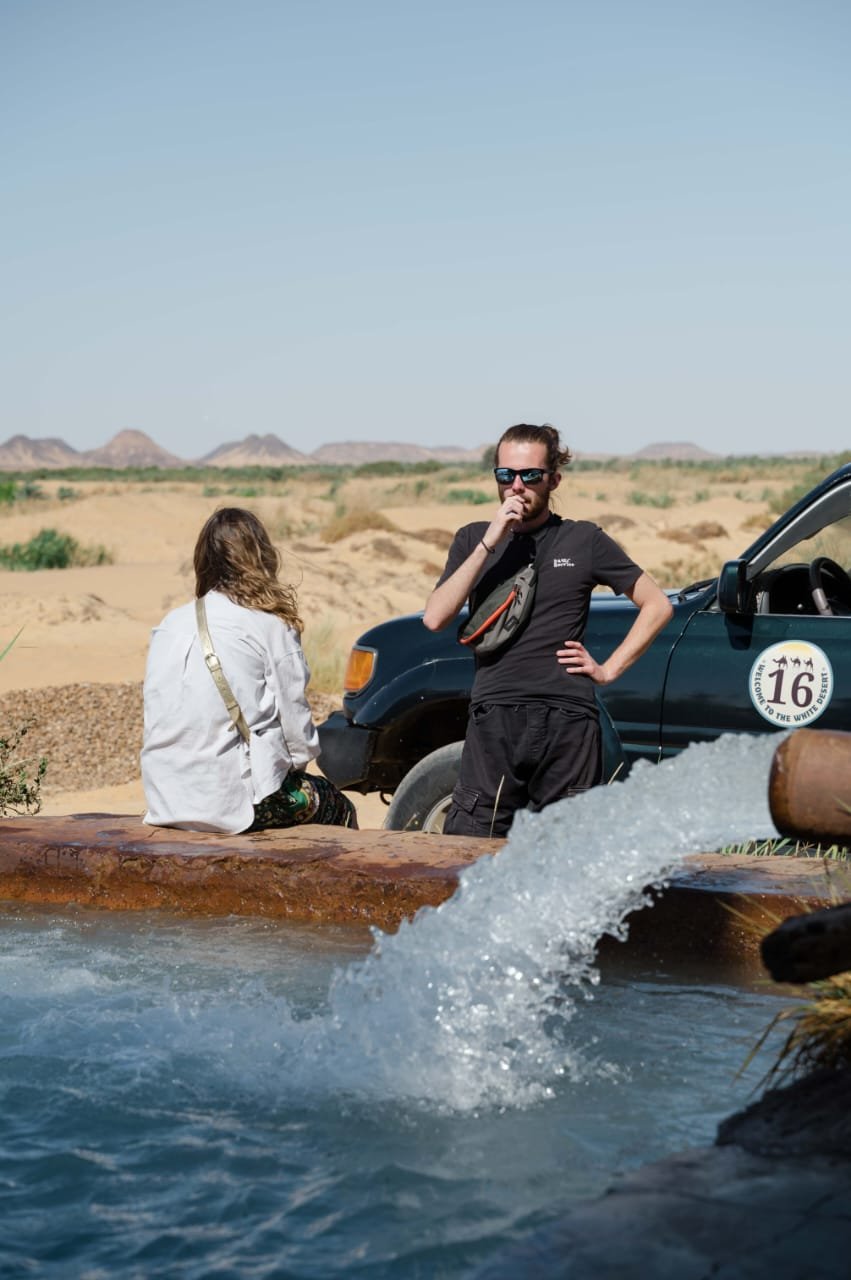
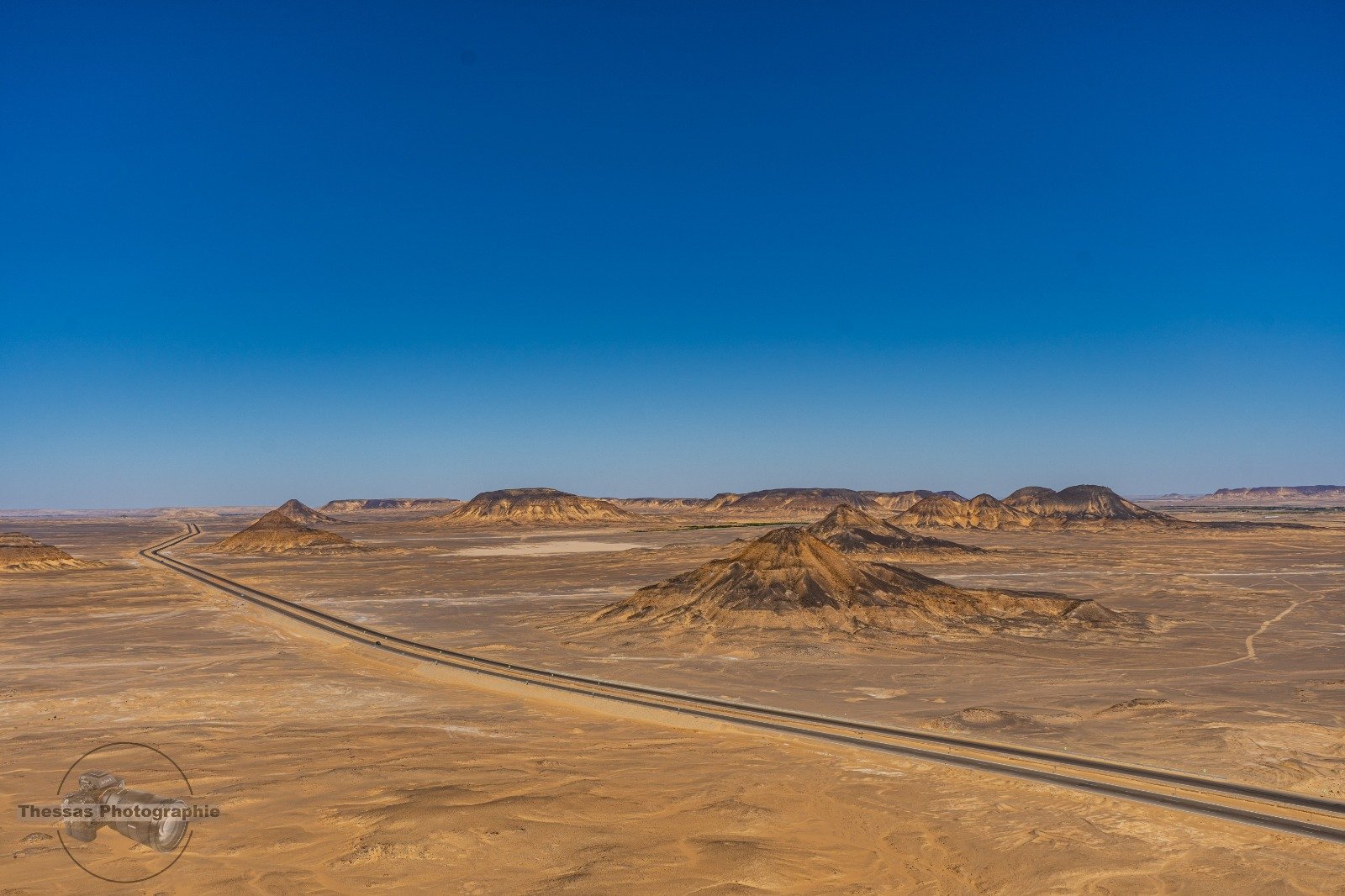
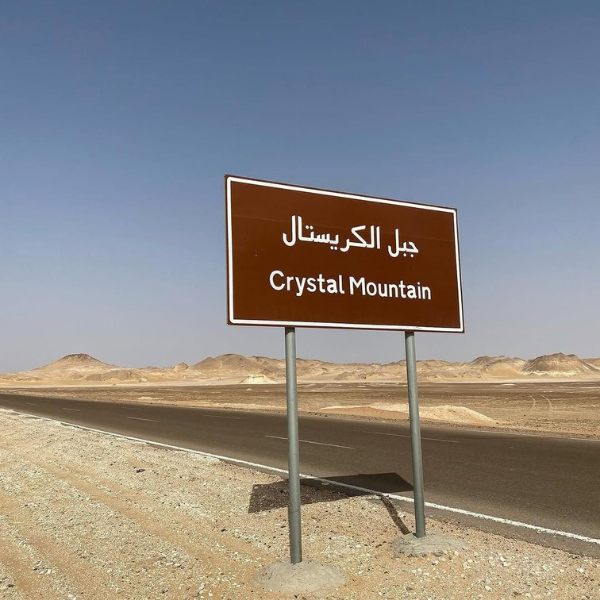
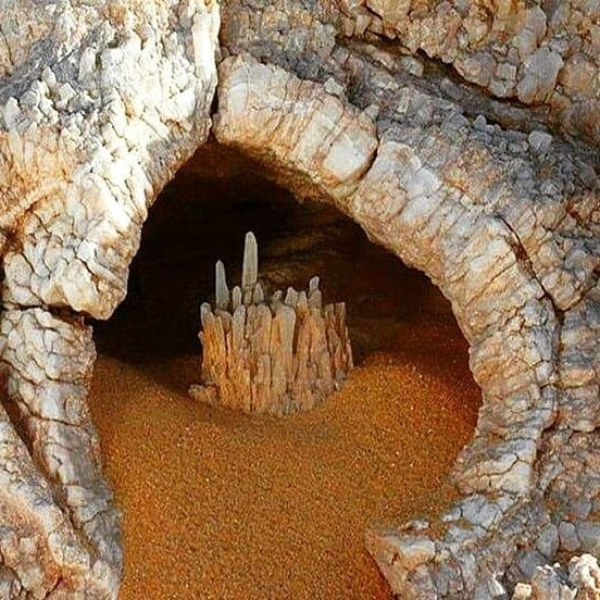
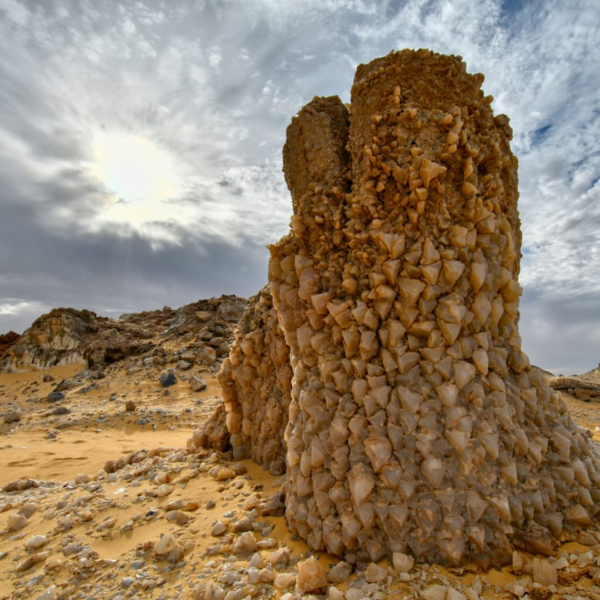
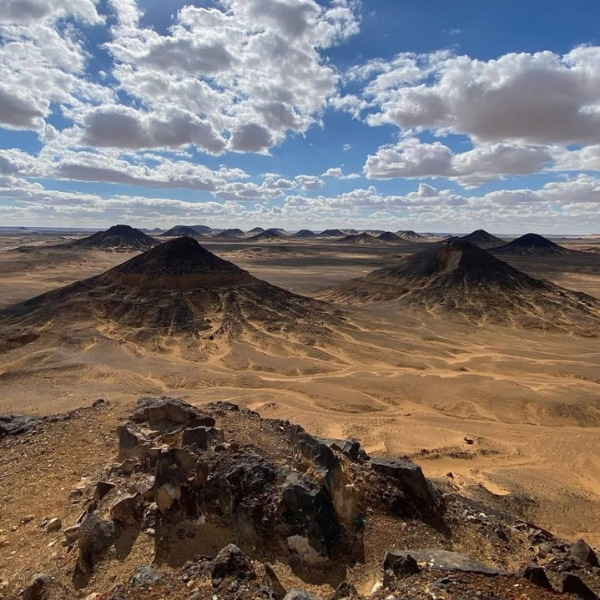
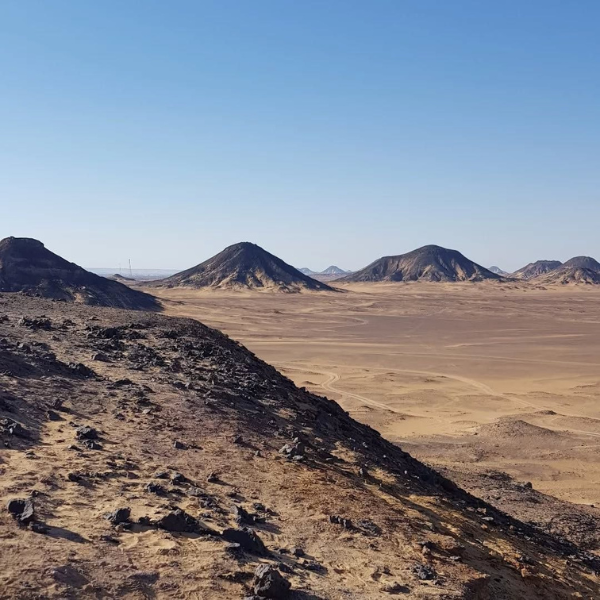
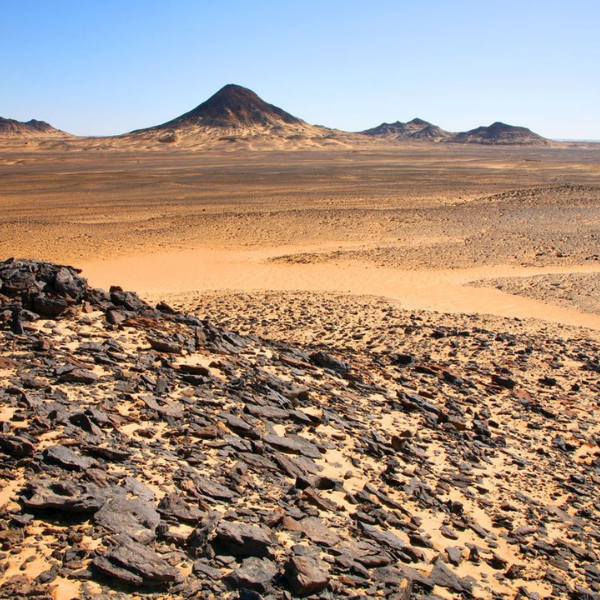
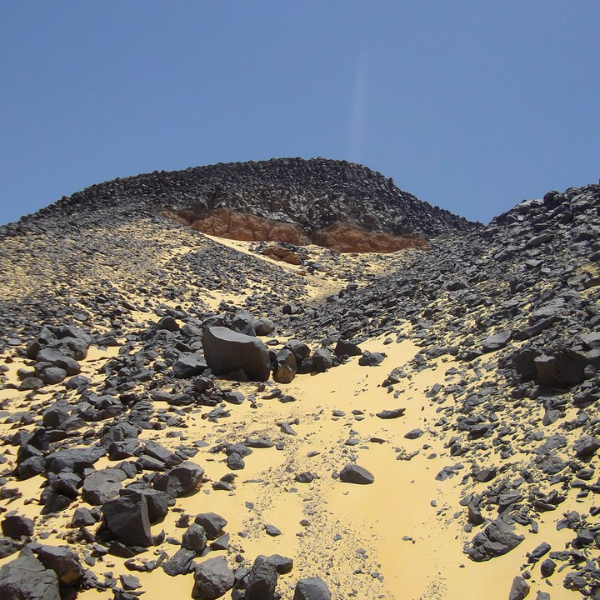
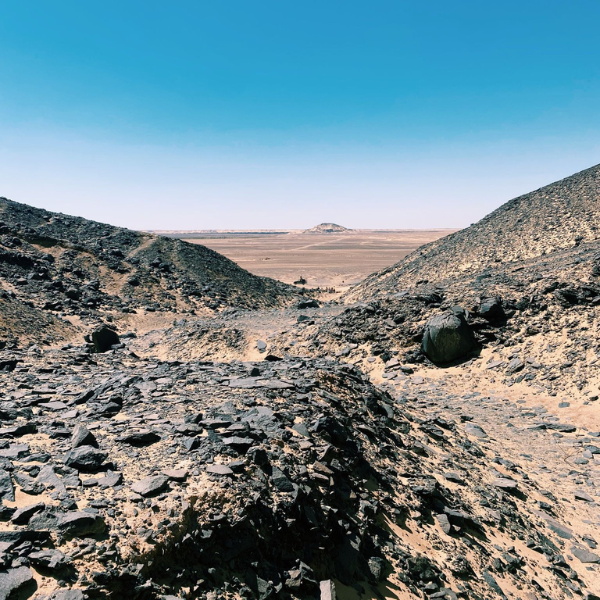
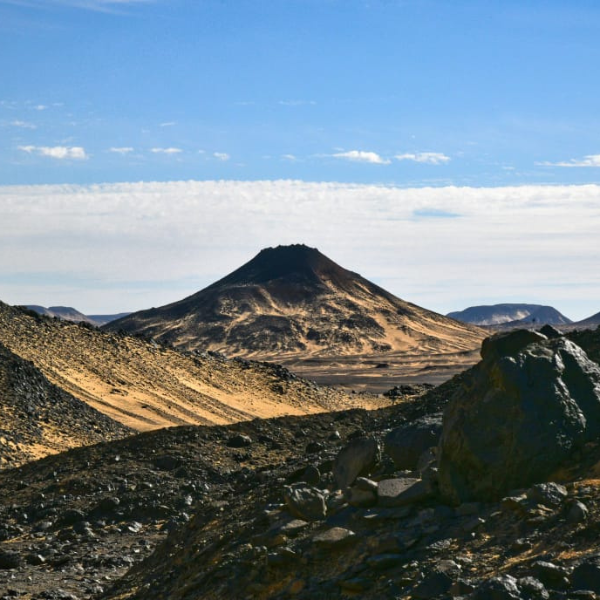
Explore the volcanic-looking hills of the Black Desert, stop at El Heiz Village and a natural cold spring, discover Crystal Mountain, and continue through the dramatic landscapes of Aqabat Valley.
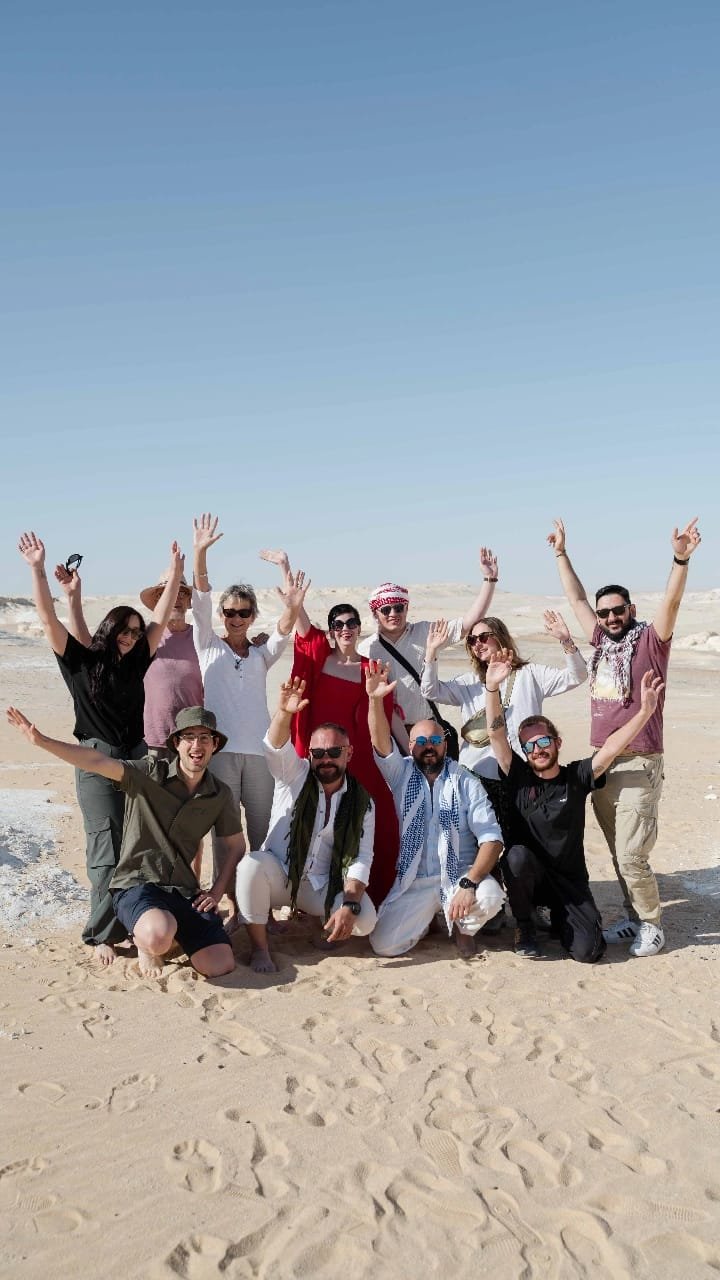
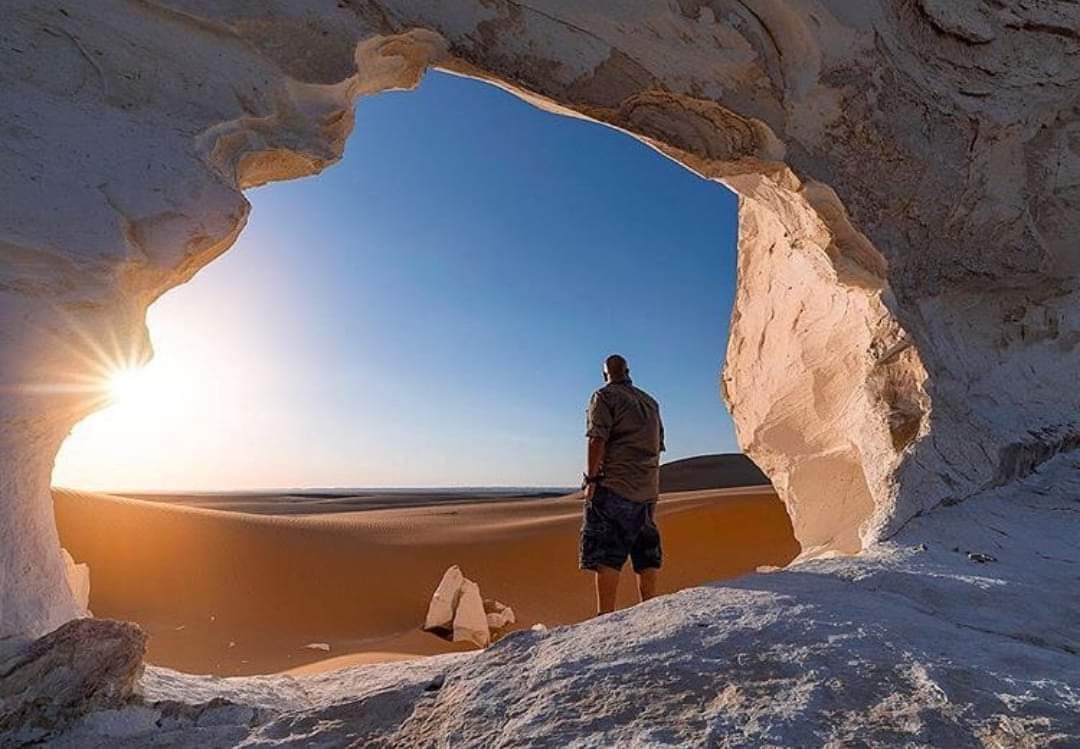
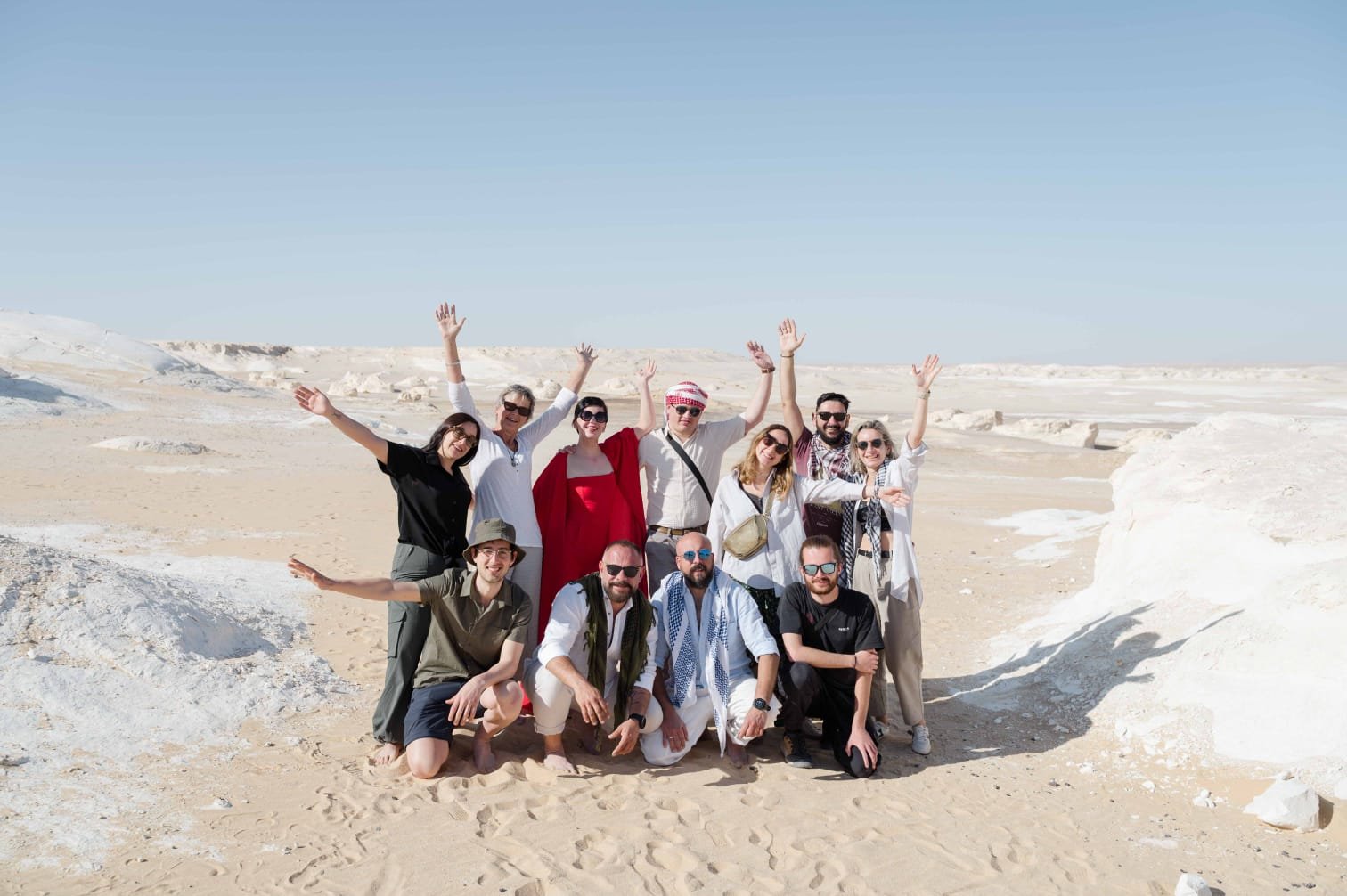
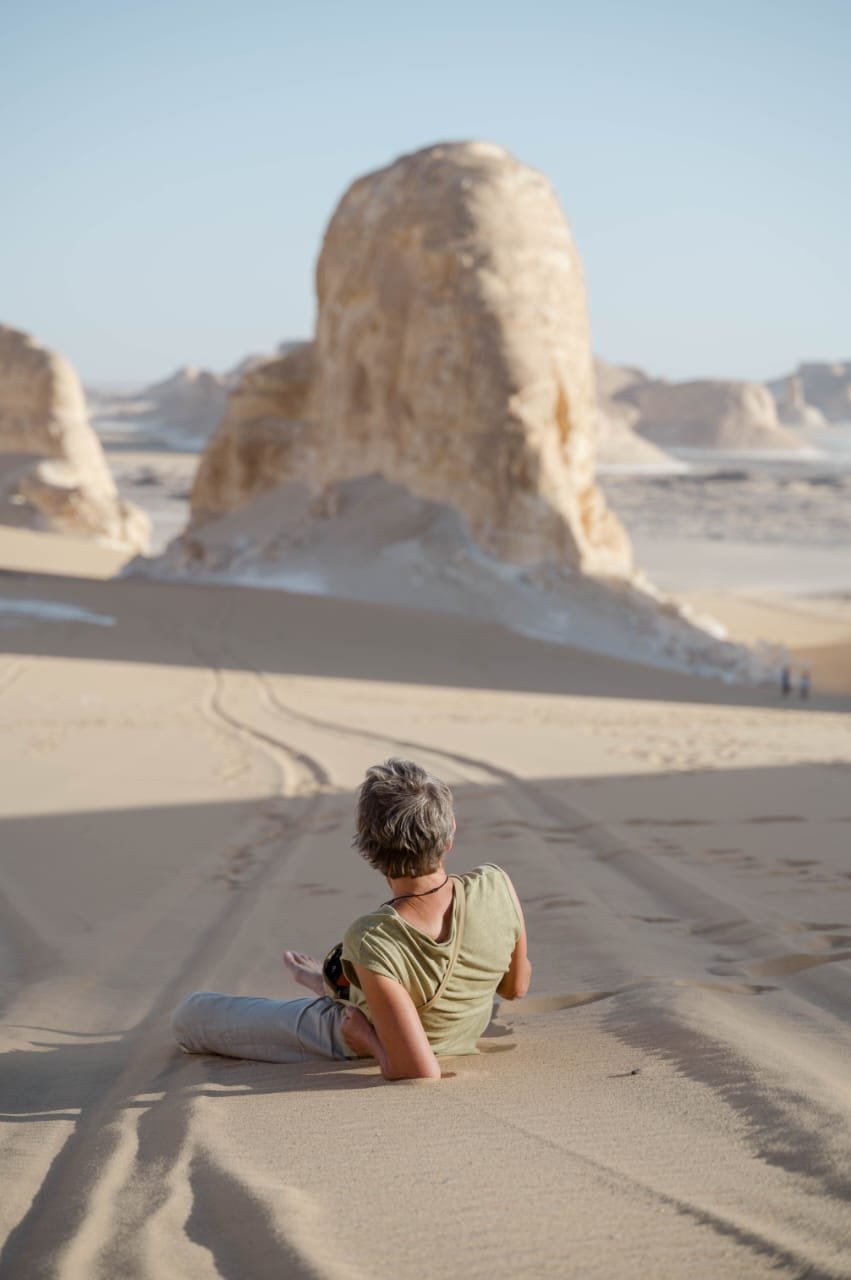
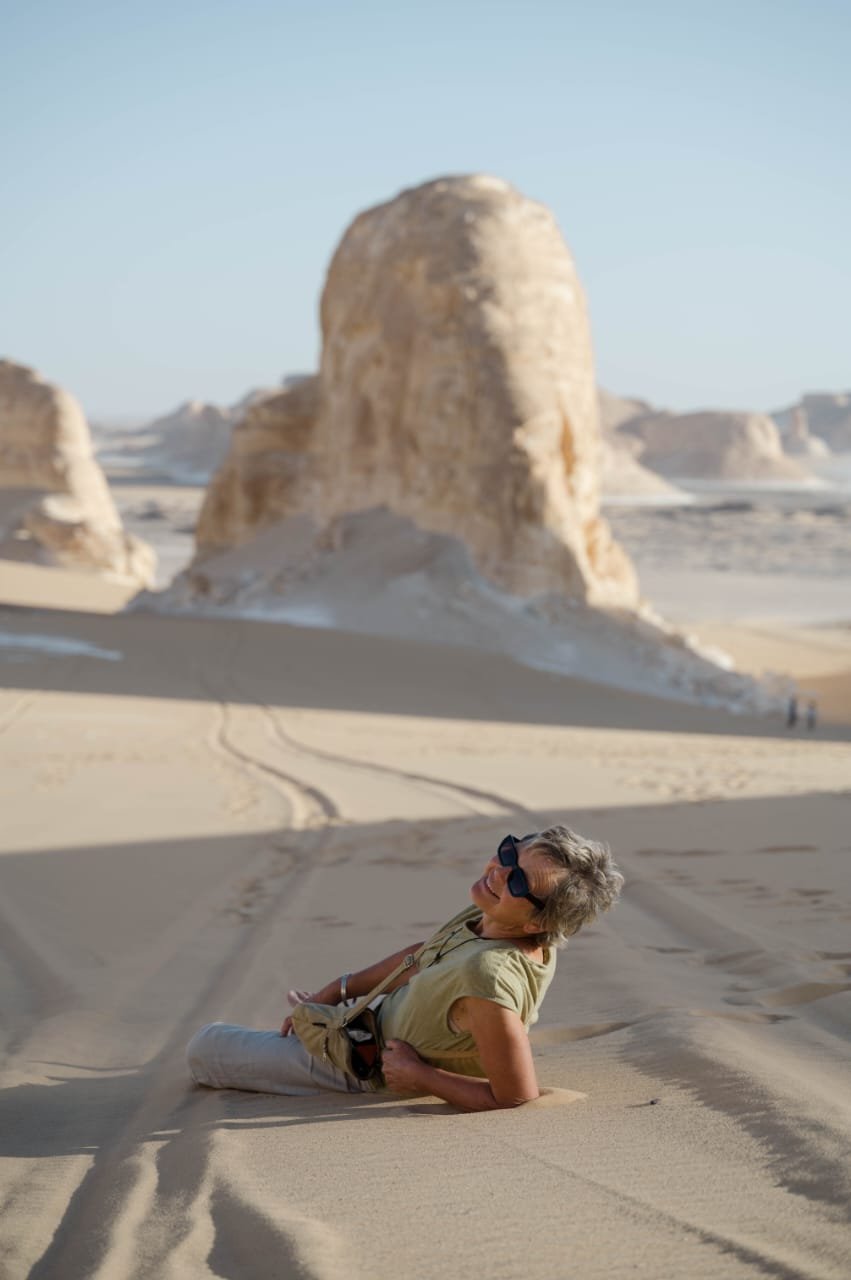
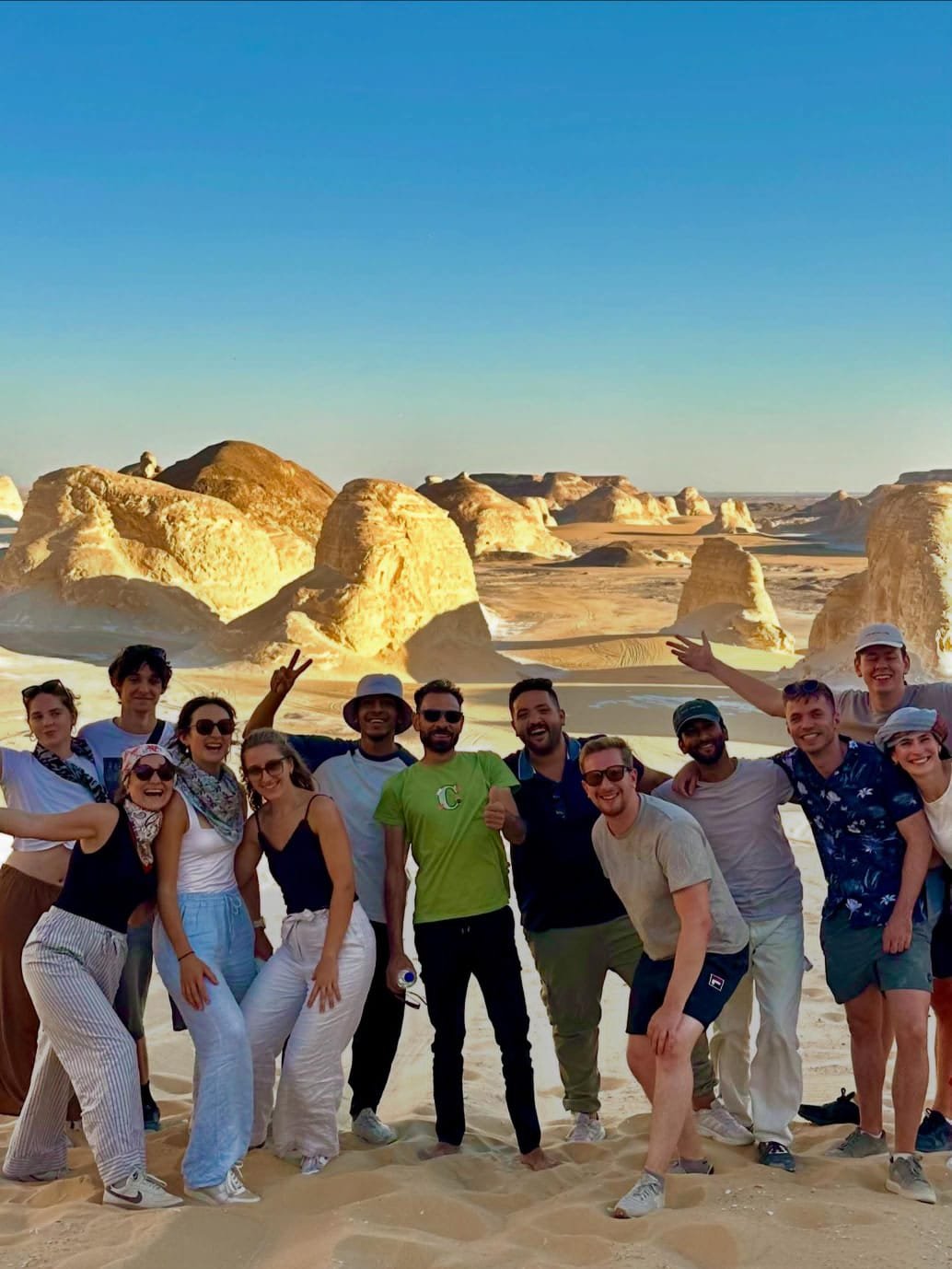
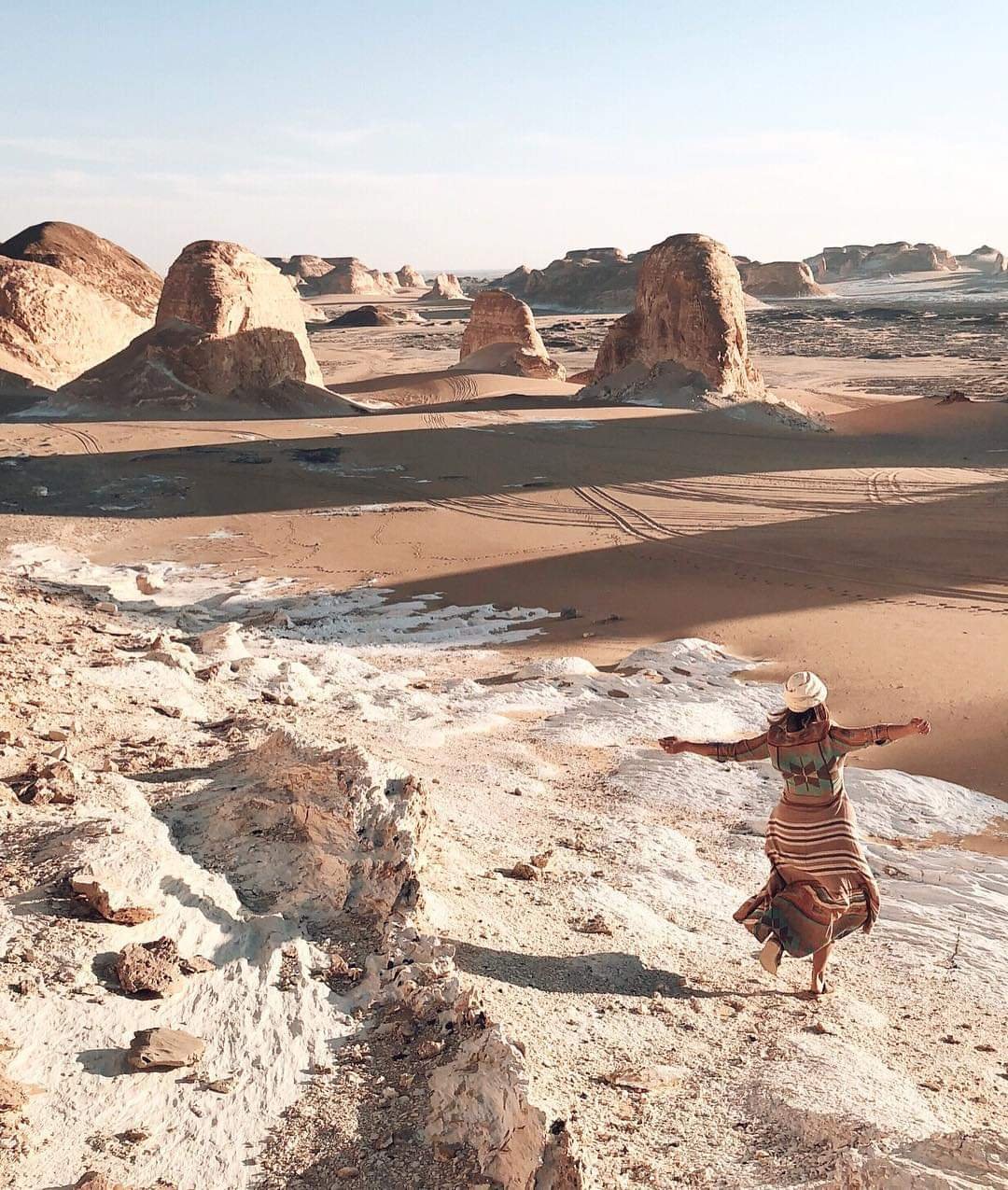
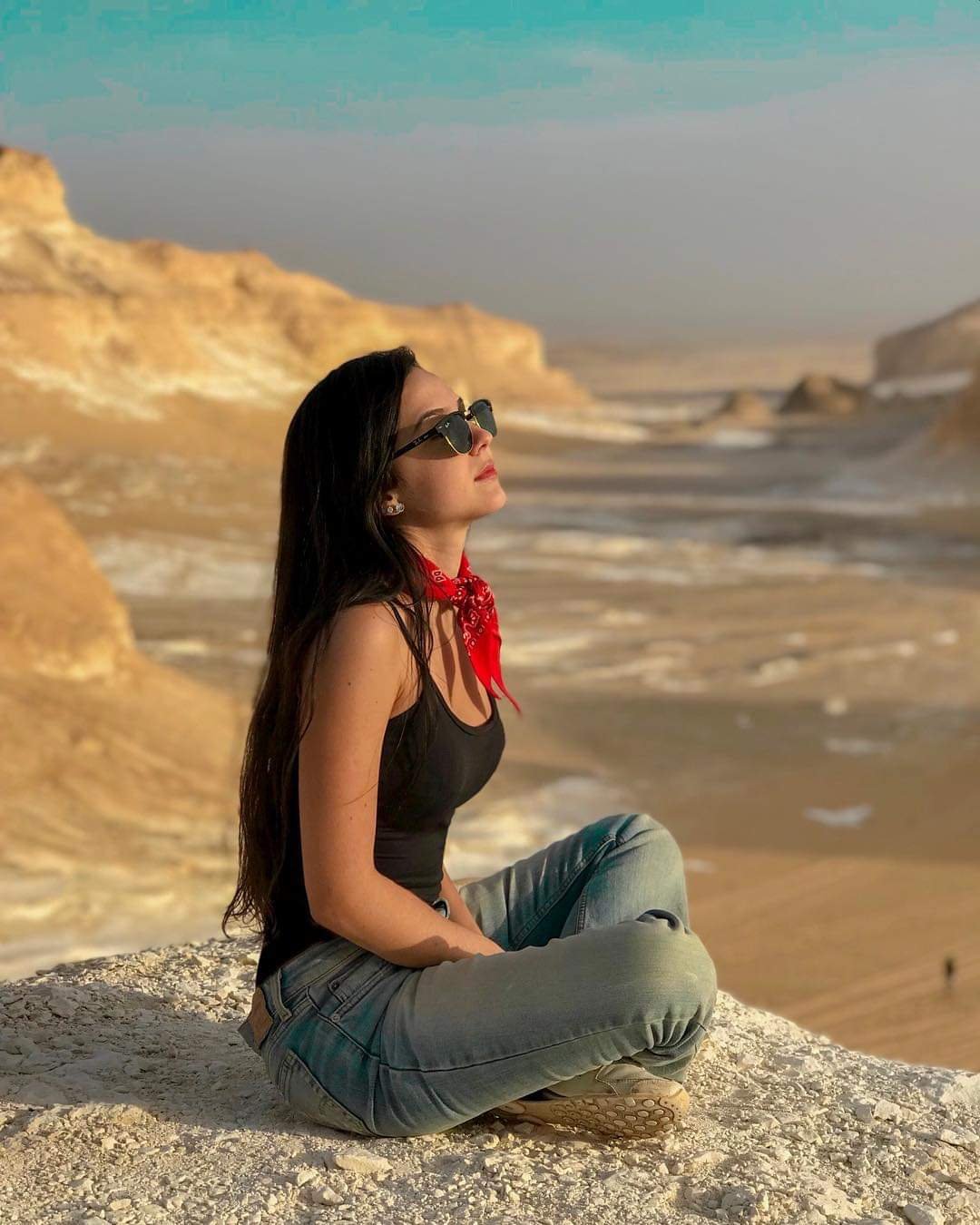
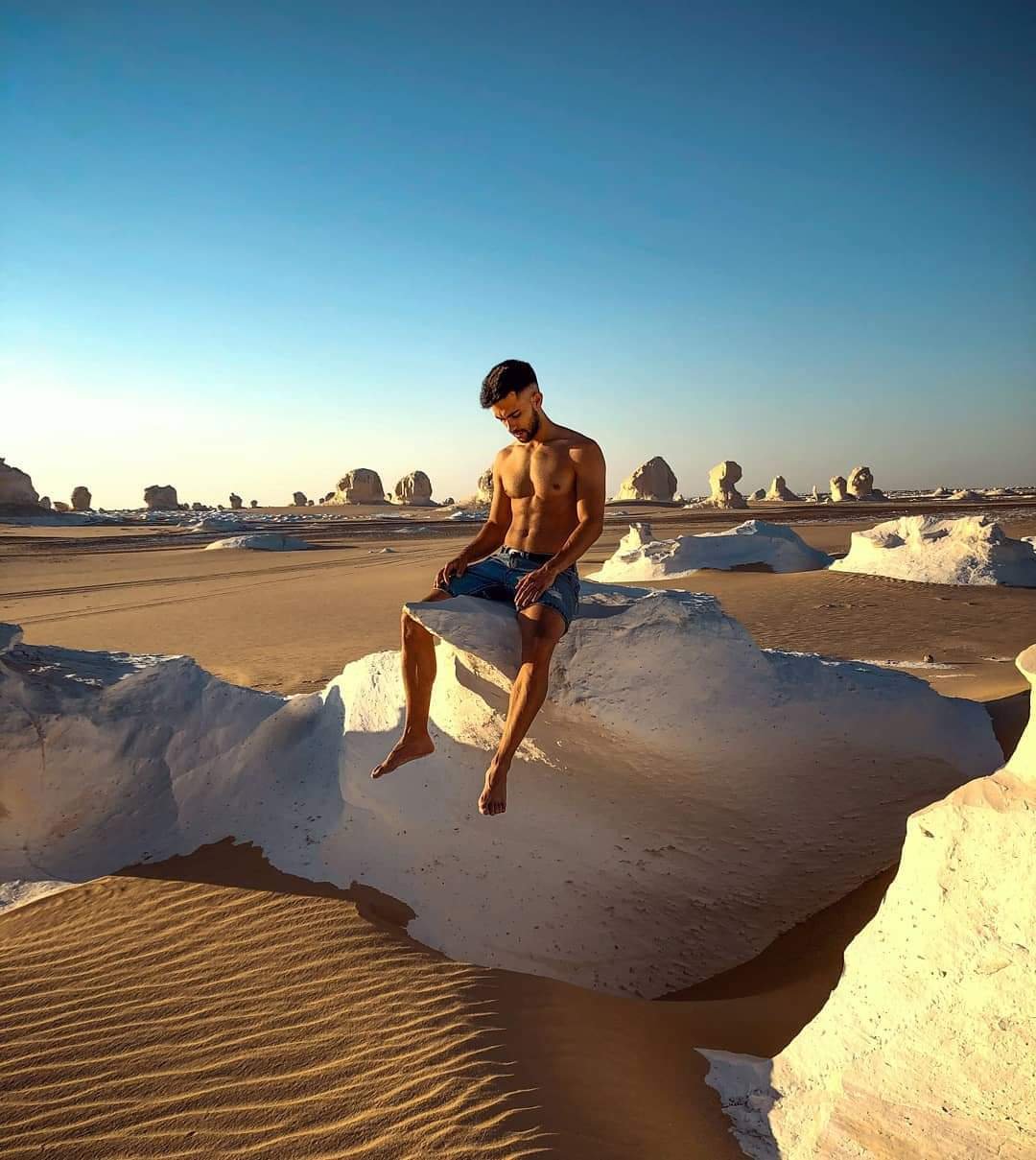
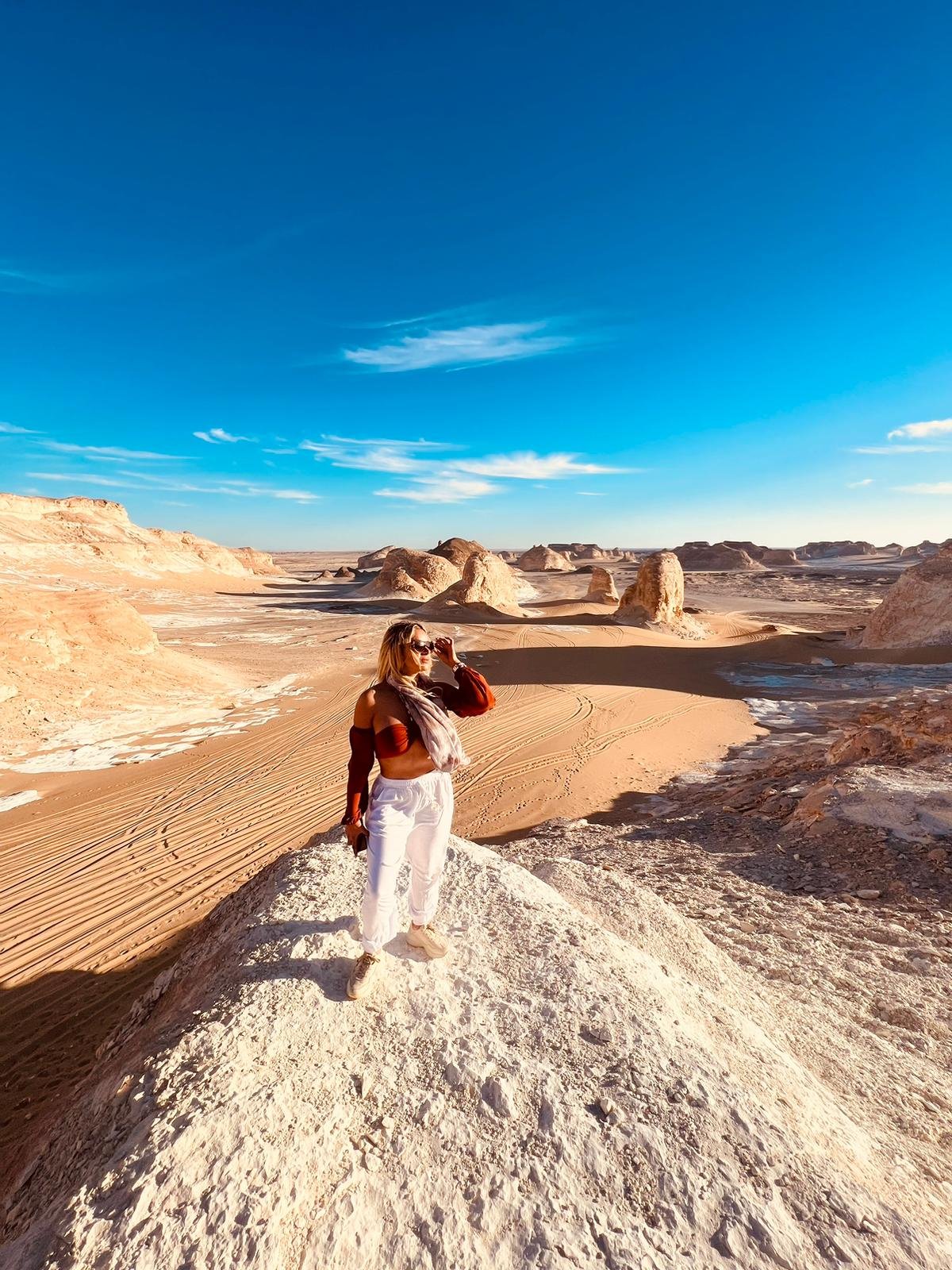
From there, enter the surreal world of the White Desert.
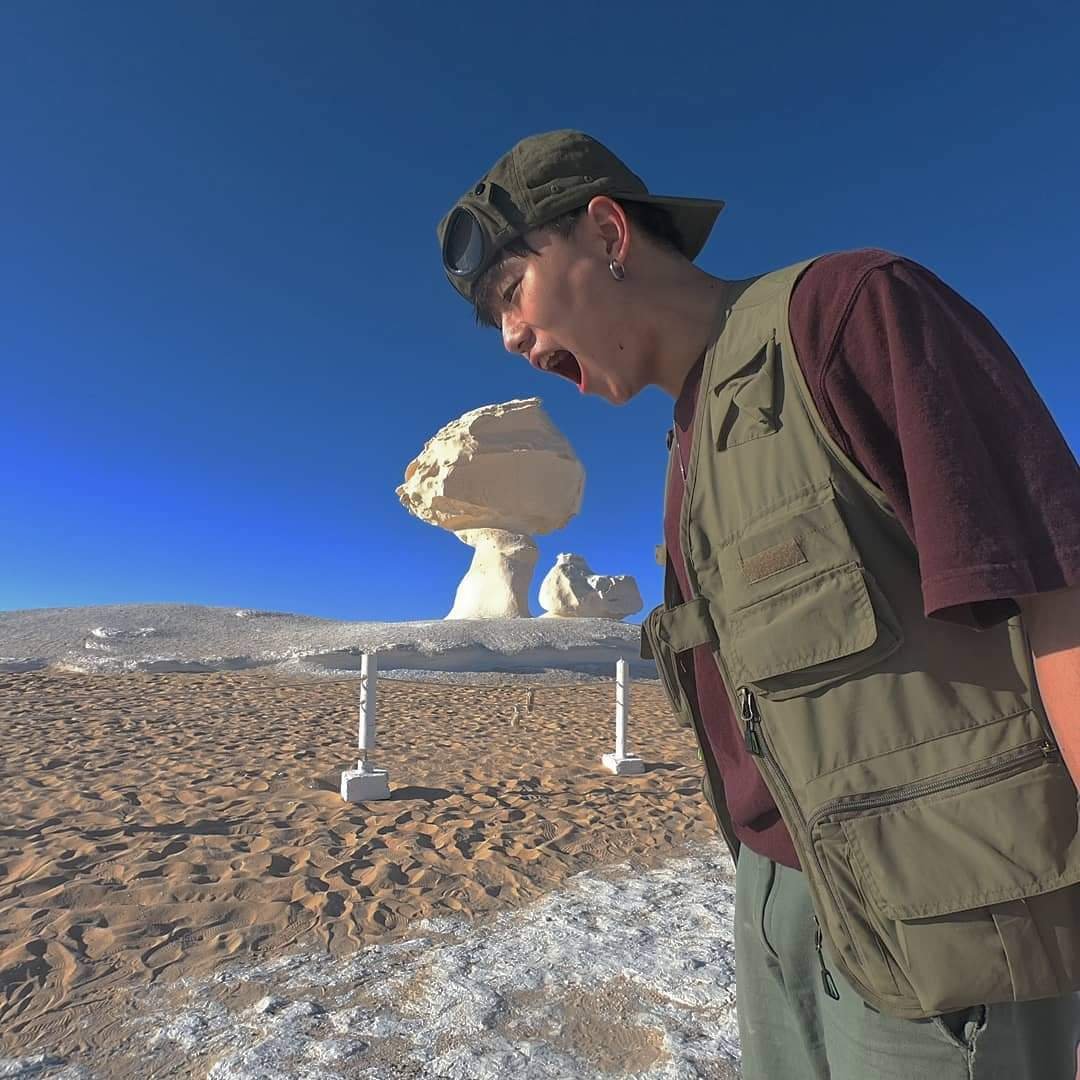
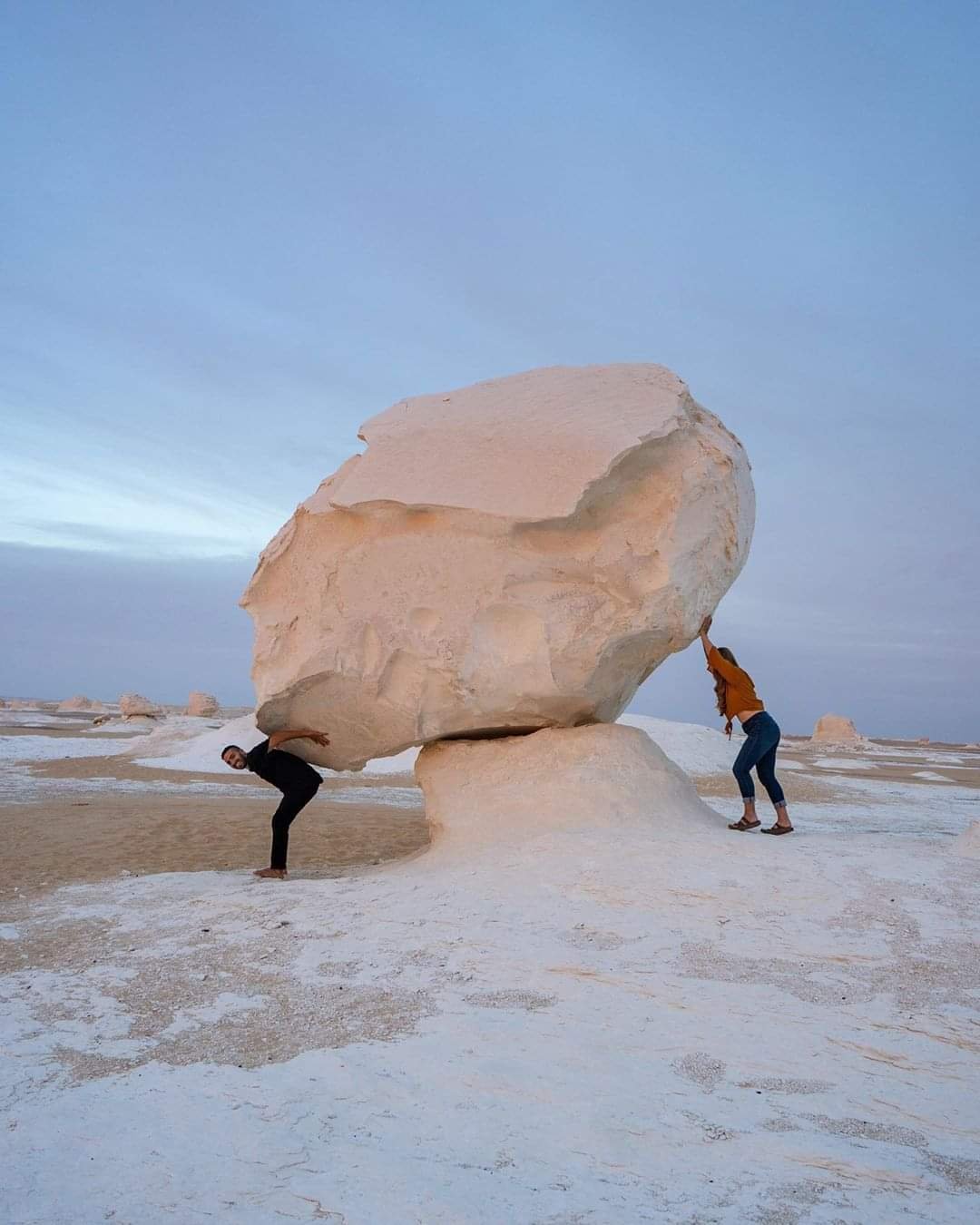
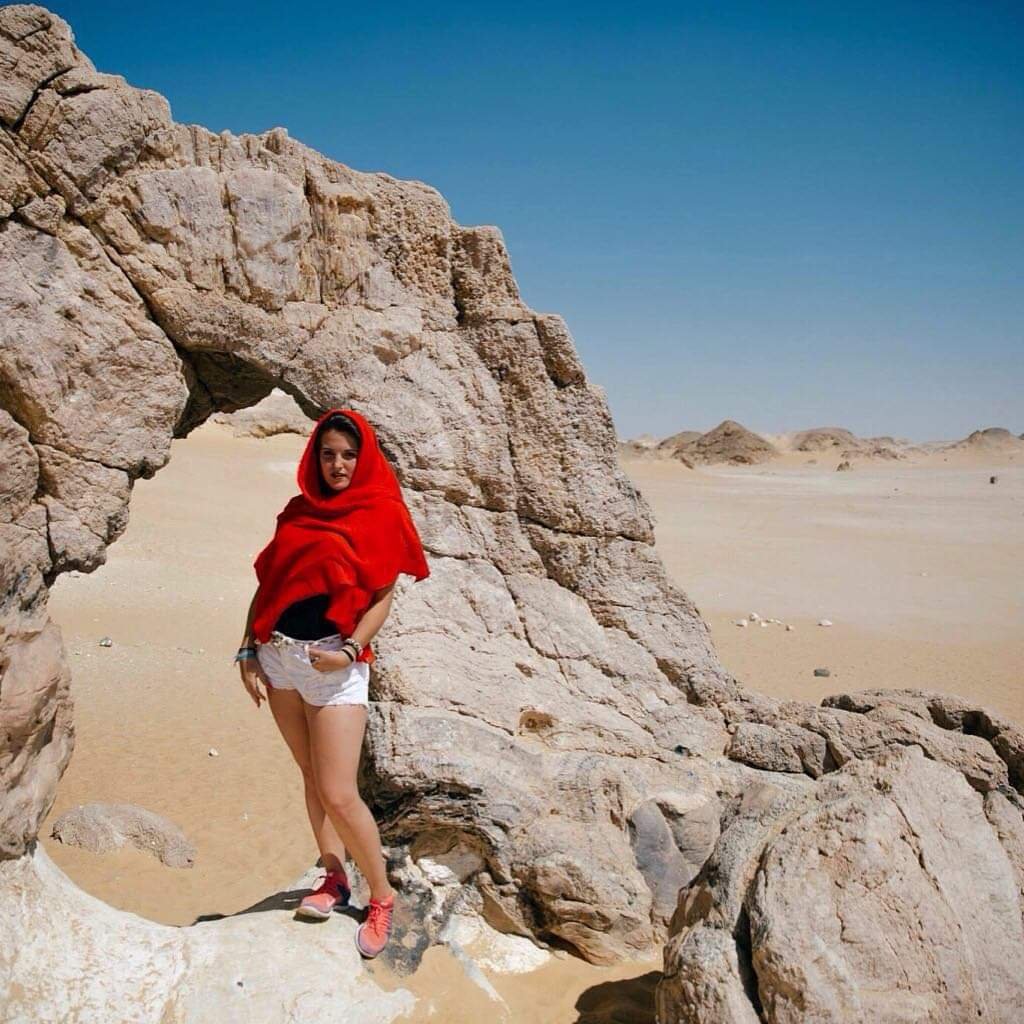
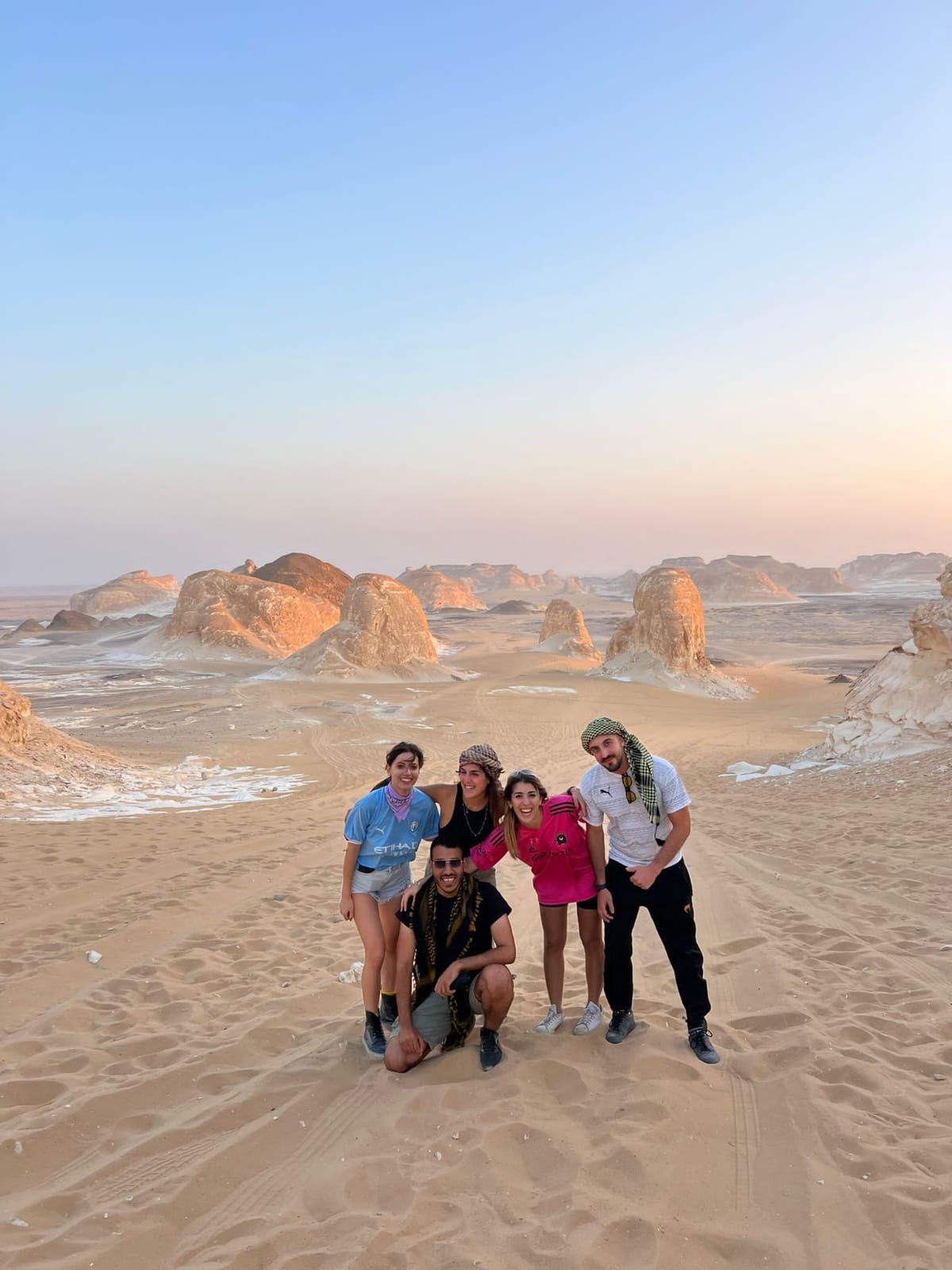
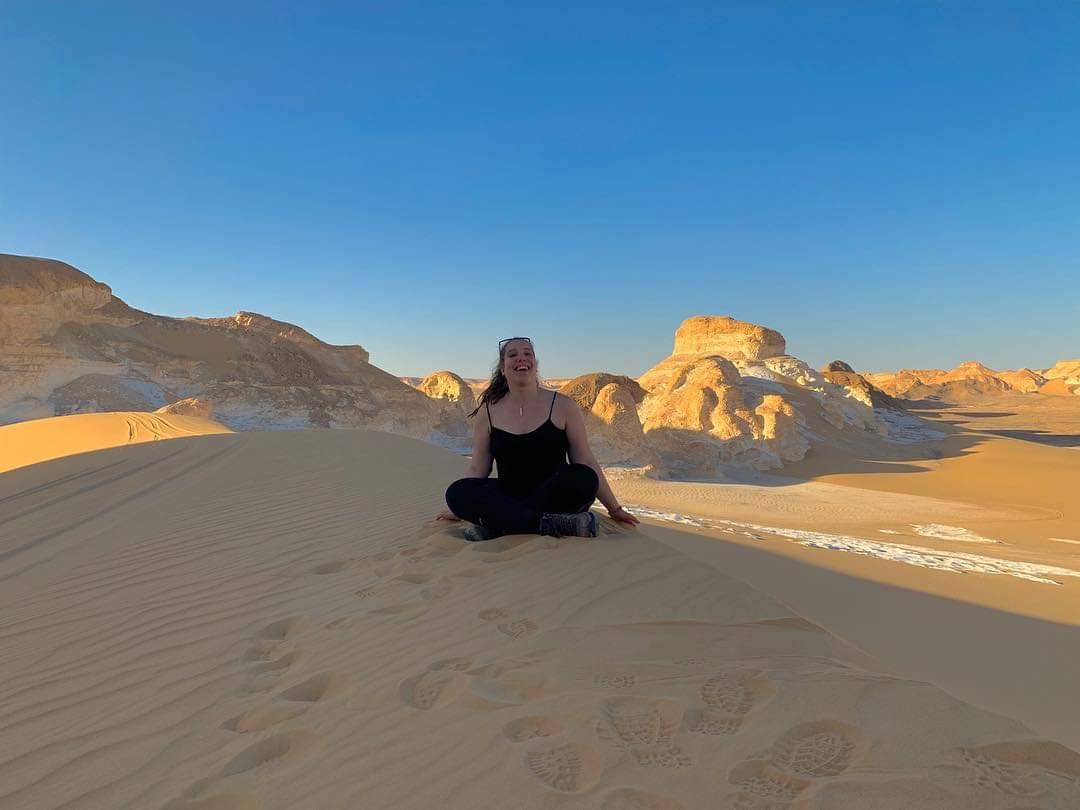
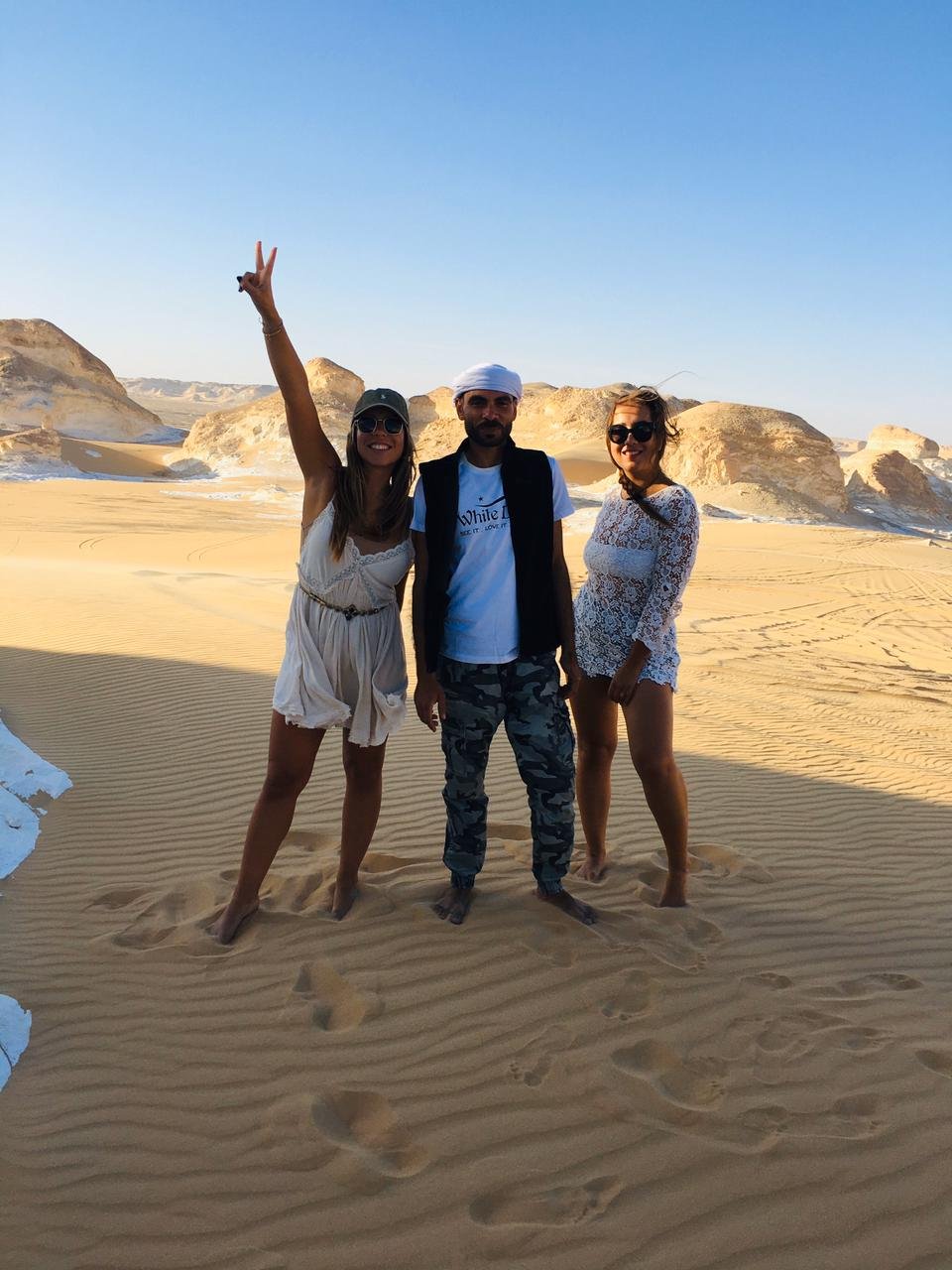
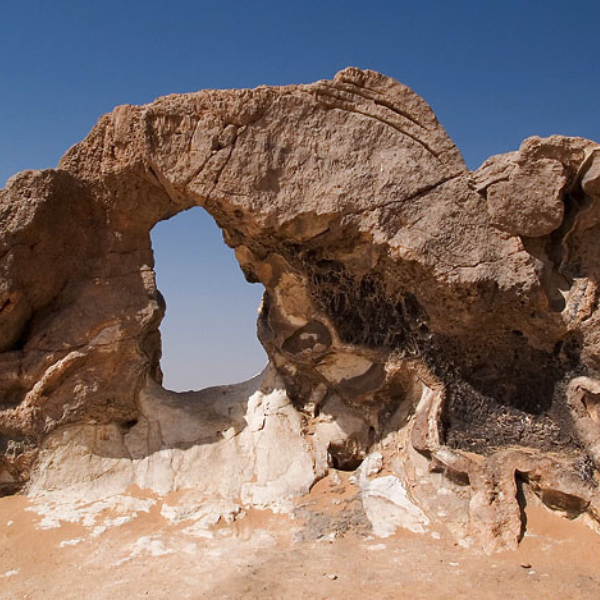
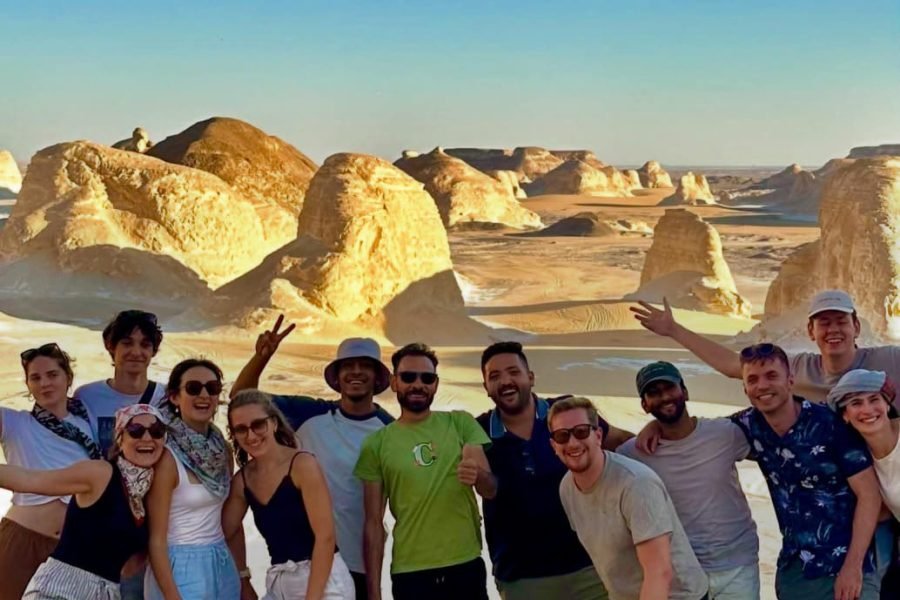
See the famous mushroom and tent-shaped formations of the Old White Desert, then continue into the New White Desert, where wind and time have transformed the pale rock into extraordinary natural sculptures.
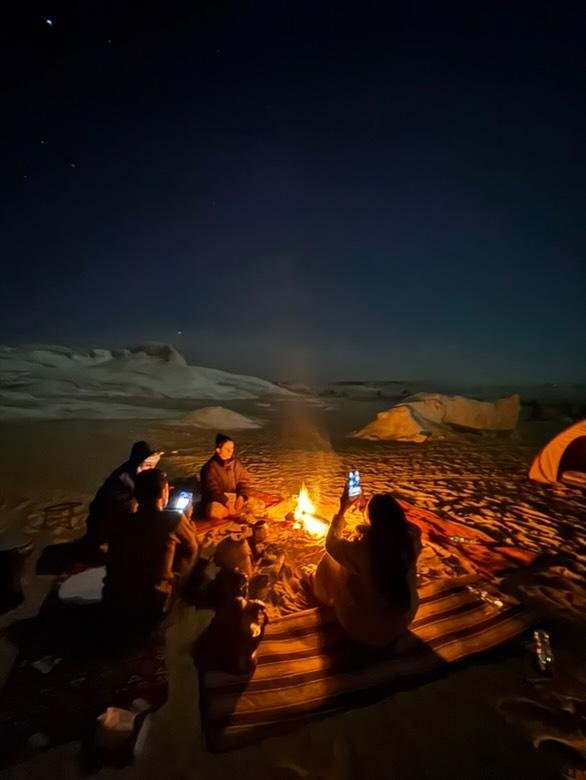
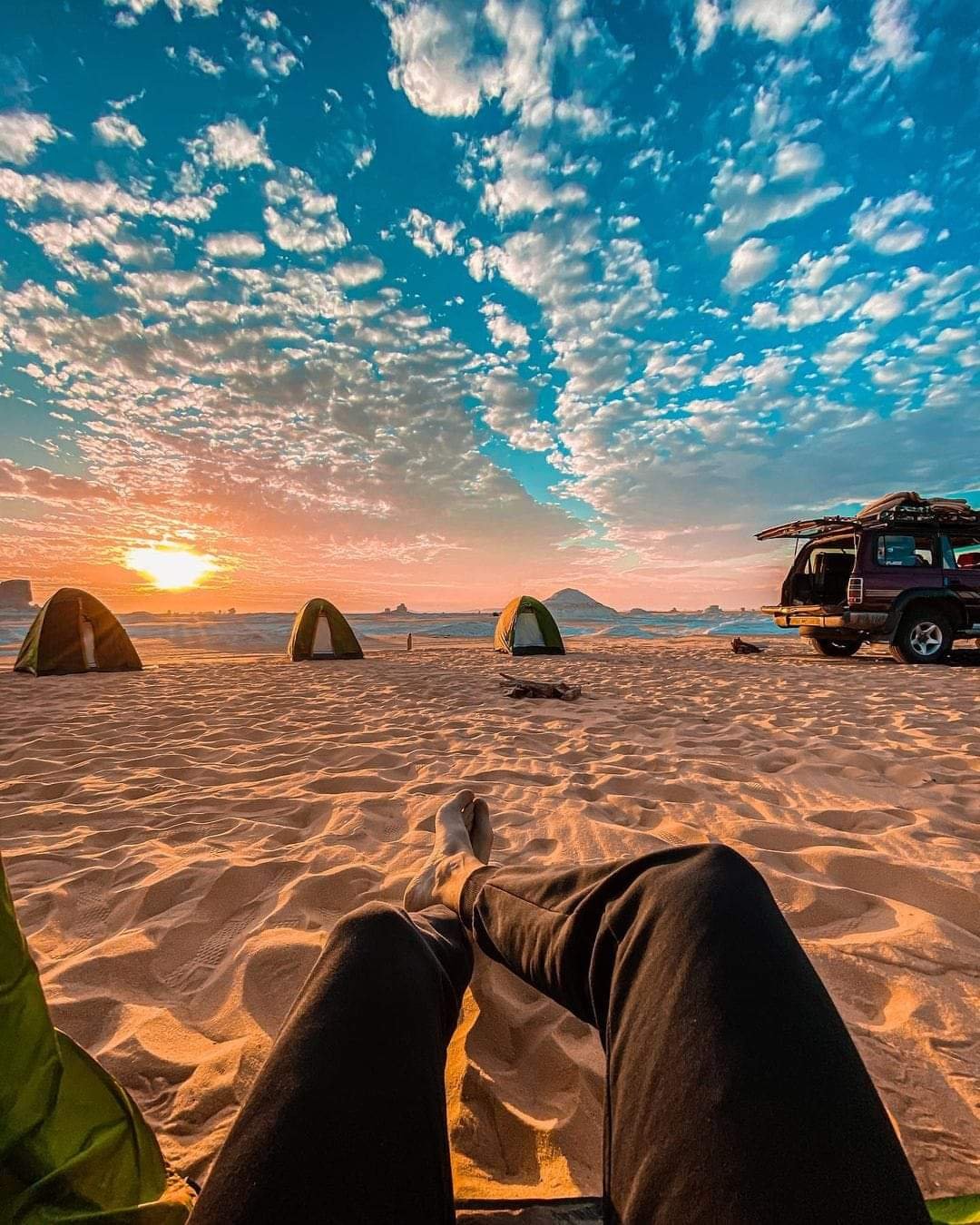
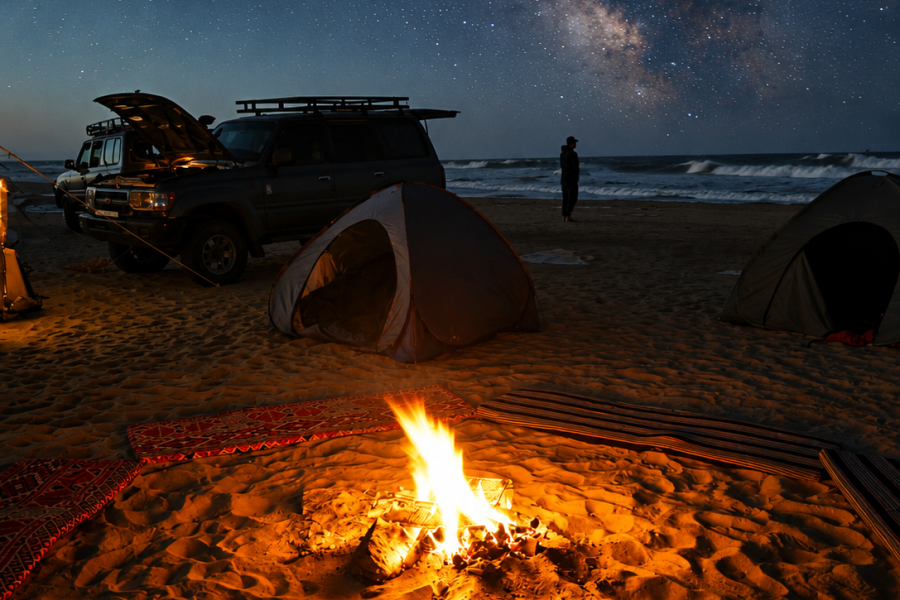
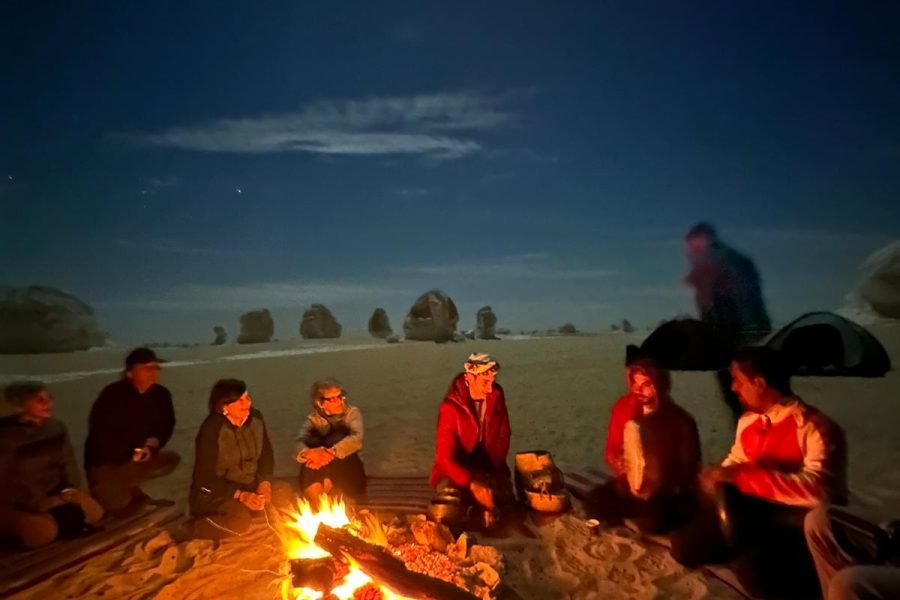
As darkness falls, your desert camp is prepared beneath the open sky.
Enjoy dinner in the wilderness and spend your first night surrounded by silence and stars.
The following morning, leave the White Desert behind and begin a remarkable journey south.
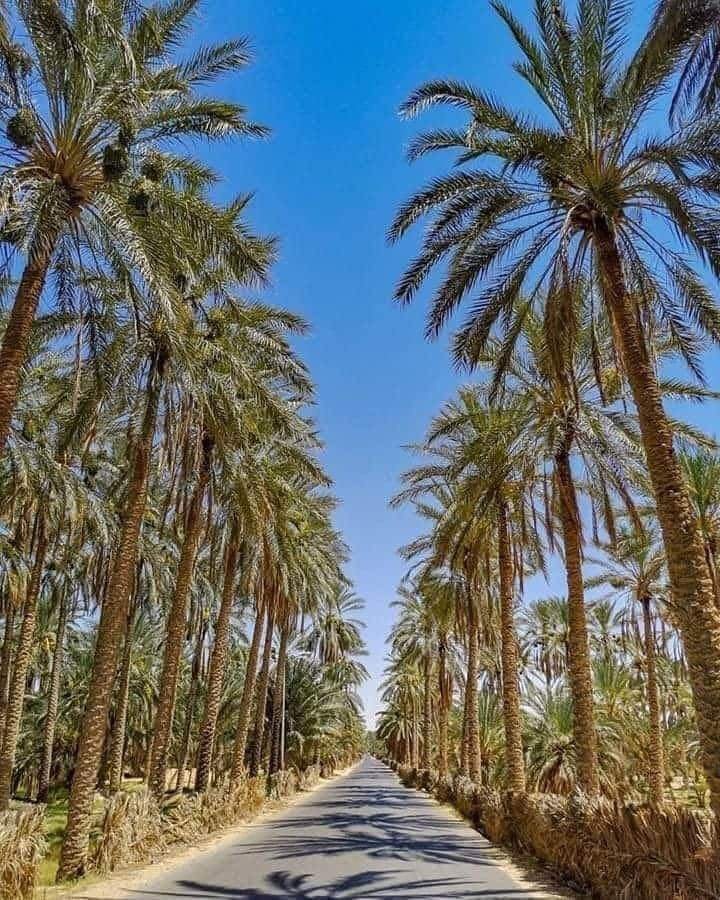
Pass through Farafra Oasis on your way to Dakhla Oasis, one of Egypt’s most atmospheric Western Desert destinations.
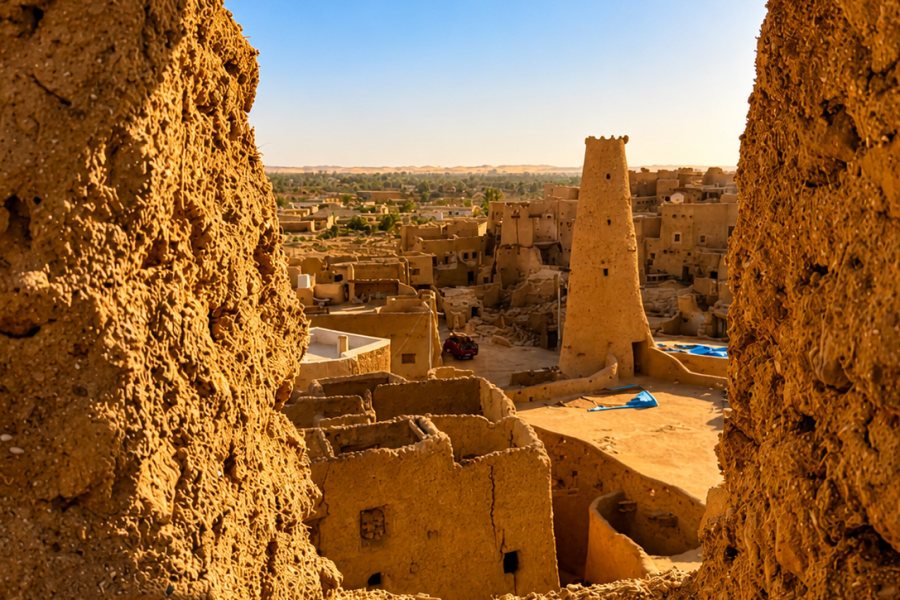
Here, explore the beautifully preserved Deir al-Hagar Temple, the Roman-period Al-Muzawwaqa Necropolis, and the narrow mud-brick streets of historic Qasr al-Dakhla.
On Day 3, continue through the New Valley toward Kharga Oasis, once an important crossroads on ancient desert caravan routes.
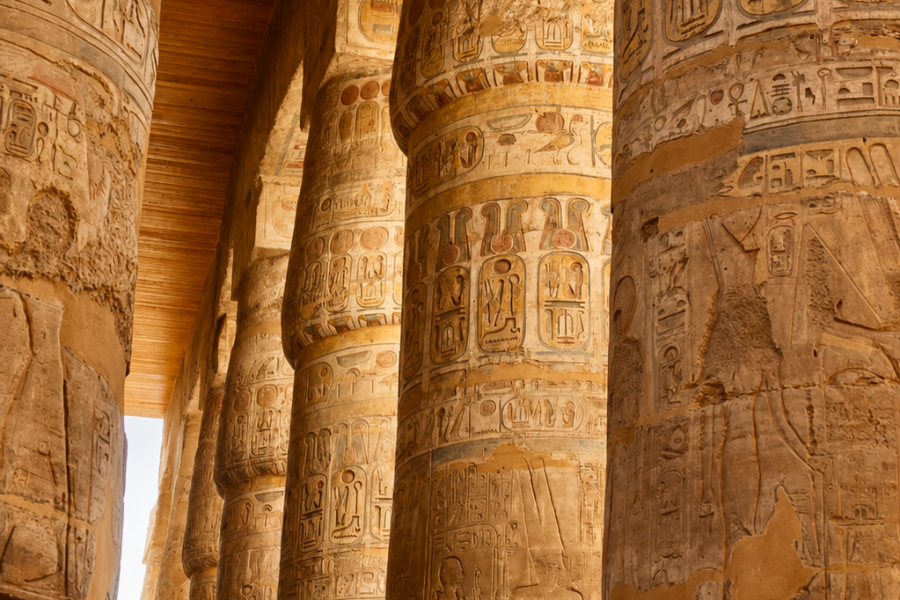
Discover the hilltop Temple of Nadura, walk among the domed tombs of the ancient al-Bagawat Necropolis, and explore the impressive Hibis Temple.
Three nights, four days and a journey through landscapes and history completely different from the Egypt most visitors know.
For travelers who want to go deeper than the pyramids and Nile Valley, this is the Egypt waiting beyond the ordinary.
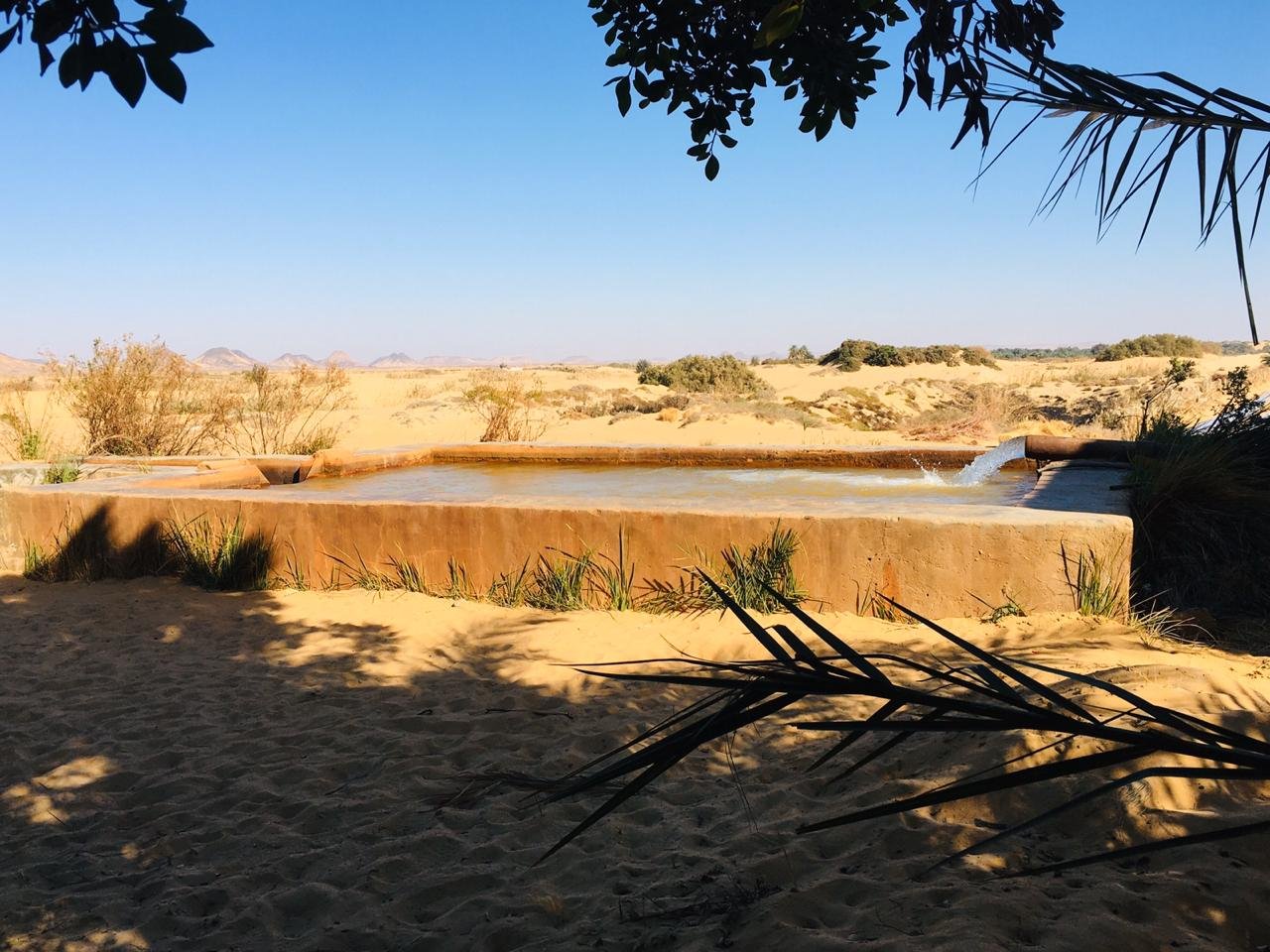
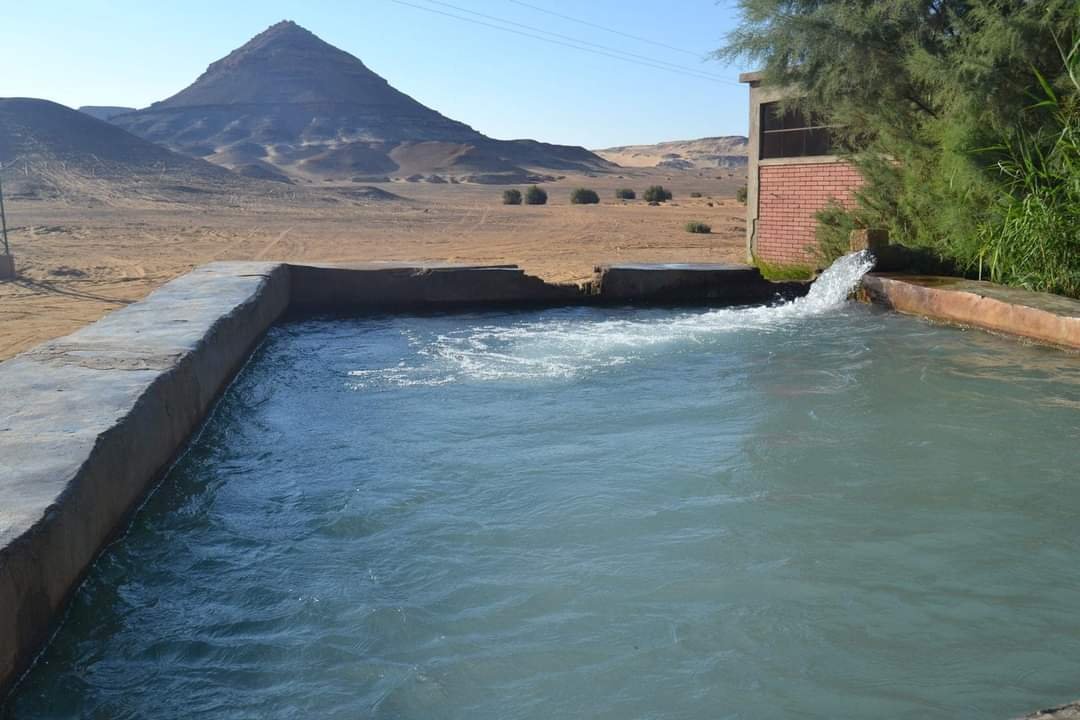
Your Western Desert adventure begins around noon upon arrival in Bahariya Oasis. Enjoy lunch and take some time to prepare before meeting your desert team and boarding the 4x4 vehicle that will take you away from the paved roads and deep into the Western Desert. Black Desert Begin your safari with the extraordinary Black Desert. Dark volcanic-looking stones cover the surrounding hills, creating an almost otherworldly landscape and a dramatic introduction to the constantly changing scenery of Egypt’s Western Desert. Stop for photographs and panoramic views before continuing south. El Heiz Village & Cold Spring Continue to El Heiz Village, a small settlement surrounded by desert and palm trees. Stop near a natural cold spring and enjoy a short break before the journey continues deeper into the wilderness. Crystal Mountain Your next stop is Crystal Mountain, one of the classic landmarks on the route between Bahariya and the White Desert. Walk around the unusual sparkling formations and take photographs before continuing into increasingly remote landscapes. Aqabat Valley Continue by 4x4 toward the magnificent Aqabat Valley. Enormous pale cliffs rise above golden sand, creating one of the most impressive panoramas in the Western Desert. The contrast between the rocks, dunes and open sky makes this one of the journey’s most photogenic locations. Old White Desert Enter the Old White Desert, where unusual white formations begin rising from the desert floor. Among the most recognizable are natural shapes often compared to mushrooms and tents, formed through thousands of years of wind erosion. Take time to explore and photograph the unusual landscape. New White Desert Continue deeper into the New White Desert, where the concentration of sculpted white formations becomes even more spectacular. The pale rocks take on constantly changing forms depending on the angle and imagination of the viewer. Drive through the landscape and stop at selected formations and viewpoints along the way. Sunset & Desert Camp As the sun begins to descend, your team will choose a suitable camping location. Watch the White Desert change color as sunset turns the pale formations into warm shades of gold and orange. Enjoy a freshly prepared dinner at camp, relax around the fire and look up at an extraordinary night sky far from city lights. Tonight, your hotel is the desert itself. Meals: Lunch & Dinner Overnight: White Desert Camp
Wake early to experience sunrise across the Western Desert. The silence and changing morning light make sunrise one of the most memorable moments of a White Desert camping trip. Enjoy breakfast at camp before packing your belongings and beginning the next stage of the expedition. Today, the journey continues south through Egypt’s Western Desert toward Dakhla Oasis. Journey Through the Western Desert Return toward the paved road, where your private vehicle will be waiting. Leave the White Desert behind and continue south through the enormous open landscapes of the New Valley. The route passes through the Farafra Oasis region before continuing toward Dakhla. Far from Egypt’s crowded cities and major tourism centers, this drive reveals the scale and isolation of the Western Desert. Arrival in Dakhla Oasis Arrive in Dakhla Oasis, a collection of historic settlements and agricultural communities surrounded by desert. Dakhla is known for its green fields, palm groves, ancient monuments and traditional mud-brick architecture. Your sightseeing begins with some of its most important historical sites. Deir al-Hagar Temple Visit Deir al-Hagar Temple, one of the best-preserved ancient monuments in Dakhla Oasis. The sandstone temple was constructed during the Roman period and preserves reliefs, inscriptions and cartouches connected with several Roman emperors. Walking through the temple is a remarkable contrast to the vast natural landscapes experienced the previous day. Al-Muzawwaqa Necropolis Continue to the Al-Muzawwaqa Necropolis, located north of Mut. The archaeological area contains hundreds of tombs dating mainly to the Roman period, including beautifully decorated painted tombs. The surviving artwork combines Egyptian religious traditions with influences from the Greco-Roman world. Lunch in Dakhla After exploring the archaeological sites, stop for lunch before continuing to one of Dakhla’s most atmospheric historic settlements. Qasr al-Dakhla Visit Qasr al-Dakhla, the historic mud-brick village that once served as the medieval capital of the oasis. Walk through narrow covered lanes surrounded by traditional houses constructed from sun-dried mud bricks. Wooden doorways, old buildings, winding alleys and traditional architecture create an atmosphere completely different from Egypt’s larger cities. One of the village’s most recognizable landmarks is the historic minaret of the Nasr al-Din Mosque. Take time to walk through the settlement and absorb the atmosphere before leaving for your hotel. Dinner & Overnight in Dakhla After sightseeing, travel to your hotel. Enjoy dinner and relax after a day that has taken you from the White Desert wilderness into one of Egypt’s most historic oases. Meals: Breakfast, Lunch & Dinner Overnight: Hotel in Dakhla Oasis
Enjoy breakfast at your hotel before departing Dakhla and continuing east toward Kharga Oasis. The drive between the two oases takes you through another beautiful stretch of Egypt’s Western Desert and New Valley. Kharga is the largest of the major oases along this Western Desert route and has historically occupied an important strategic position on ancient caravan networks. Upon arrival, begin exploring some of its most important archaeological sites. Temple of Nadura Visit the Temple of Nadura, situated on an elevated hill near Kharga. Its position provides commanding views of the surrounding landscape. The hill was historically associated with observation over the routes crossing the oasis, giving the site both archaeological and strategic interest. Explore the remaining structures and enjoy the surrounding desert panorama. Necropolis of al-Bagawat Continue to the remarkable Necropolis of al-Bagawat, one of Kharga Oasis’s most fascinating historic sites. The extensive cemetery contains hundreds of mud-brick funerary structures with distinctive domed roofs. It is regarded as one of the oldest major Christian burial grounds in Egypt and preserves evidence of the religious and cultural transition that took place in the oasis during Late Antiquity. Walk among the unusual structures and discover a very different chapter of Egyptian history. Hibis Temple Next, visit Hibis Temple, one of the most important and best-preserved ancient temples in Kharga Oasis. Dedicated principally to Amun, the temple reflects multiple periods of Egyptian history, with construction and additions spanning Dynastic, Persian, Ptolemaic and Roman periods. Explore its halls, reliefs and architectural details while learning about Kharga’s importance in the ancient Western Desert. Lunch Enjoy lunch during your sightseeing day before continuing to experience the modern side of the oasis. Kharga Market After completing your archaeological visits, take a walk through the local market of Kharga. This gives you an opportunity to experience a more everyday side of the oasis, away from monuments and archaeological sites. Browse local products and enjoy the atmosphere before returning to your accommodation. Dinner & Overnight in Kharga Enjoy dinner before settling into your hotel for the final night of your Western Desert journey. Meals: Breakfast, Lunch & Dinner Overnight: Hotel in Kharga Oasis
Wake up and enjoy breakfast at your hotel. After breakfast, prepare for the journey back to Cairo. Leave Kharga behind and travel across Egypt toward the capital, watching the remote landscapes of the Western Desert gradually give way to the busier surroundings of the Nile Valley and Cairo. Your four-day expedition ends upon arrival in Cairo. You return with something much more than photographs. In only four days, you have experienced White Desert wilderness, ancient temples, Roman tombs, medieval villages, historic caravan landscapes and three of Egypt’s remarkable Western Desert oases. Meals: Breakfast
Most visitors to Egypt follow a route connecting Cairo, Luxor and Aswan. This journey goes in another direction entirely. The White Desert, Dakhla and Kharga Oasis tour is designed for travelers who want to experience remote Egypt and understand how life, trade and civilization developed beyond the Nile Valley. The itinerary brings together three very different travel experiences. Desert Adventure Experience:
Ancient History Explore:
Oasis Culture Discover:
Instead of seeing one desert destination, you experience a journey through the Western Desert itself.
This itinerary follows part of one of Egypt’s great desert routes. The journey connects: Bahariya Oasis → White Desert → Farafra Region → Dakhla Oasis → Kharga Oasis Each destination has a completely different character. Bahariya Gateway to the Black and White Deserts. White Desert Known for surreal white rock formations, remote camping and dramatic desert landscapes. Farafra A remote oasis region located along the route between the White Desert and Dakhla. Dakhla Known for ancient temples, archaeological sites, historic mud-brick settlements and extensive cultivated landscapes. Kharga The largest oasis on this route and historically an important crossroads connecting the Western Desert with major caravan routes. Together, they create one of Egypt’s most extraordinary overland journeys.
This itinerary is particularly suitable for:
The trip involves significant driving distances, so it is especially suited to travelers who enjoy road journeys and understand that travelling between the oases is part of the adventure.
This itinerary combines desert camping with hotel accommodation. Night 1 White Desert Camp Experience a night surrounded by open wilderness and stars. Night 2 Hotel in Dakhla Oasis Relax after travelling south through the Western Desert. Night 3 Hotel in Kharga Oasis Enjoy your final overnight stay before returning to Cairo. This combination provides an adventurous desert experience while maintaining comfortable accommodation during the longer oasis sections of the journey.
For a 4-day Western Desert tour in Egypt, we recommend bringing:
Packing light is recommended because the trip involves both 4x4 and road transportation.
This is an expedition-style itinerary covering large distances across the Western Desert. Travel between the oases can take several hours. Rather than treating these transfers as simply transportation, consider them part of the experience. The routes reveal enormous empty landscapes, escarpments, dunes, agricultural areas and remote settlements that travelers on the conventional Nile Valley route rarely see. If you prefer very short driving times between attractions, this may not be the ideal itinerary. If you enjoy remote road trips, however, the journey itself is one of the highlights.
The tour offers an exceptional variety of photography locations, including:
Carry additional battery capacity because charging opportunities can be limited during the desert section.
Do not expect continuous mobile coverage throughout the journey. Signals can become weak or disappear in remote desert areas and along some stretches between the oases. Connectivity is normally more reliable around larger settlements and hotels. Download important documents, maps and information before entering remote areas.
The cooler period of the year generally offers the most comfortable conditions for extensive Western Desert travel. Daytime and nighttime temperatures can differ significantly, particularly during camping. Layers are therefore recommended even when daytime conditions are warm.
Because this itinerary crosses remote desert areas, the exact program can occasionally change according to:
Camping locations can also vary. Any necessary changes should be made with traveler safety and the quality of the experience as the priority.
The trip lasts 4 days and 3 nights. The first night is spent camping in the White Desert, followed by one hotel night in Dakhla Oasis and one hotel night in Kharga Oasis.
The main itinerary includes Bahariya Oasis, Black Desert, White Desert, Dakhla Oasis and Kharga Oasis, with the journey toward Dakhla passing through the Farafra region.
The route passes through the Farafra Oasis region while travelling between the White Desert and Dakhla. A dedicated Farafra sightseeing program is not included in this itinerary unless specifically arranged.
Yes. The first night is spent at a desert camp surrounded by White Desert landscapes.
There are two hotel nights: one in Dakhla Oasis and one in Kharga Oasis.
This itinerary is designed as a private Western Desert journey, providing greater flexibility and a more personal experience across the long-distance route.
The itinerary includes the Black Desert, El Heiz, Crystal Mountain, Aqabat Valley, Old White Desert and New White Desert, followed by overnight desert camping.
Deir al-Hagar is a well-preserved Roman-period sandstone temple in Dakhla Oasis. It contains reliefs and inscriptions associated with the rulers who contributed to its construction.
Al-Muzawwaqa is an ancient necropolis north of Mut containing hundreds of tombs, including remarkably preserved painted examples dating to the Roman period.
Qasr al-Dakhla is a historic mud-brick settlement that once served as the medieval capital of the oasis. Its narrow lanes and traditional architecture make it one of Dakhla’s most atmospheric attractions.
The planned itinerary includes the Temple of Nadura, Necropolis of al-Bagawat and Hibis Temple, followed by time in the local Kharga market.
Al-Bagawat is an extensive ancient Christian cemetery containing hundreds of mud-brick funerary structures, many topped by distinctive domes.
Hibis is the largest and one of the best-preserved temples in Kharga Oasis. Its construction and decoration reflect several periods of Egyptian history, including the Persian, Ptolemaic and Roman eras.
The Temple of Nadura stands on a hill north of Kharga and overlooks the oasis landscape. Its elevated position was historically associated with observing routes through the region.
The itinerary does not require advanced trekking ability, but travelers should be comfortable with long-distance road travel, 4x4 driving, uneven desert terrain and one night of outdoor camping.
It can be suitable for some families, but parents should consider the long driving distances and remote conditions before booking for younger children.
Meals are provided according to the itinerary, including meals during the White Desert camping experience and breakfasts at the hotels. Final meal inclusions should always be confirmed in the booking details.
Internet and mobile signals cannot be guaranteed throughout the route. Some remote stretches of the Western Desert have limited or unavailable coverage.
Yes. Remote desert itineraries may be adjusted because of weather, road conditions, permits, security requirements, archaeological-site availability or instructions from local authorities.
Choose this itinerary if you want to experience much more than a short White Desert safari. It is particularly suitable for travelers interested in archaeology, traditional oasis settlements, road trips, remote landscapes and the wider Western Desert of Egypt.
Most White Desert tours return north after visiting the famous formations. This journey continues south. From a night under the stars in the White Desert, you travel onward through the New Valley to ancient Dakhla and Kharga, turning a desert excursion into a genuine cross-oasis expedition.

Member Since 2026