3 Days / 2 Nights
Daily Tour
15 people
Chinese, English, French, German, Italian, Polish, Russian, Spanish
Two Nights Camping · Remote Cave Adventure · 4×4 Desert Safari
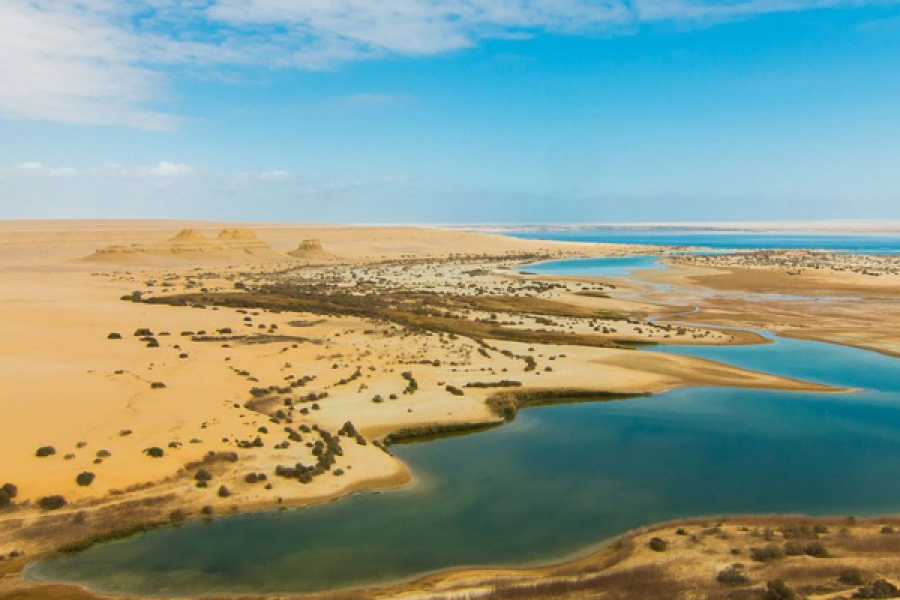
Go deeper into Egypt’s Western Desert on a private three-day expedition combining the iconic White and Black Deserts with one of the region’s most fascinating hidden natural treasures — Djara Cave.
Escape Cairo and journey far beyond Egypt’s traditional tourist trail on this 3-day White Desert and Djara Cave tour.
This adventure is designed for travelers who want more than the classic overnight White Desert experience.
Your journey begins with a private transfer from Cairo to Bahariya Oasis, one of the main gateways to Egypt’s Western Desert.
After lunch, leave the paved roads behind and begin your 4×4 safari through landscapes that seem to change with every kilometer.
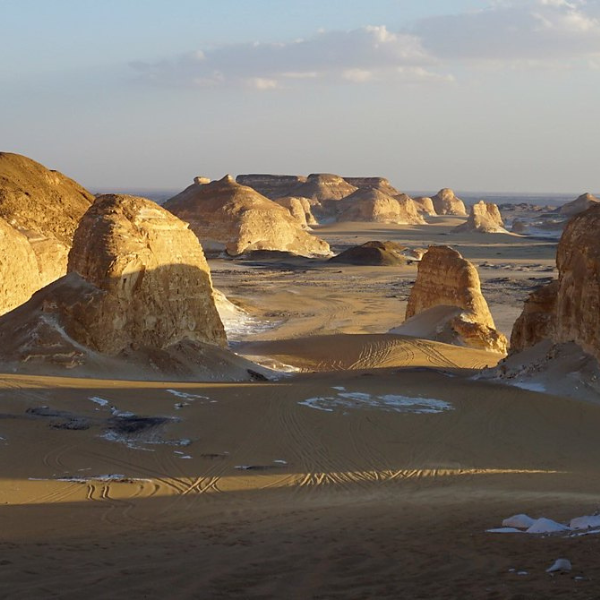
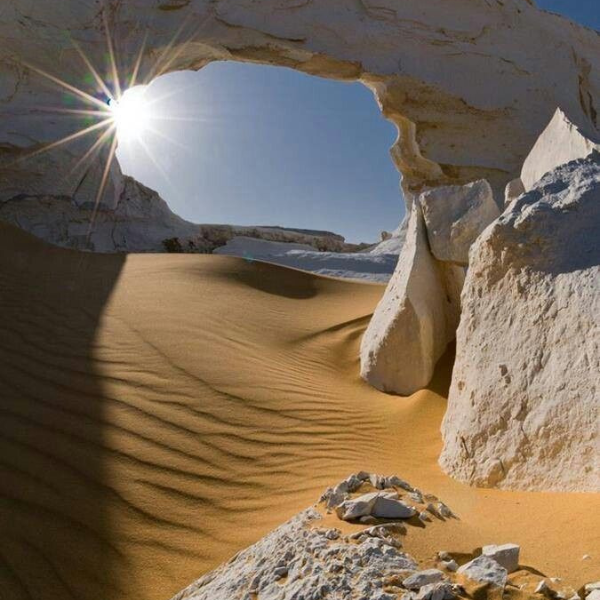
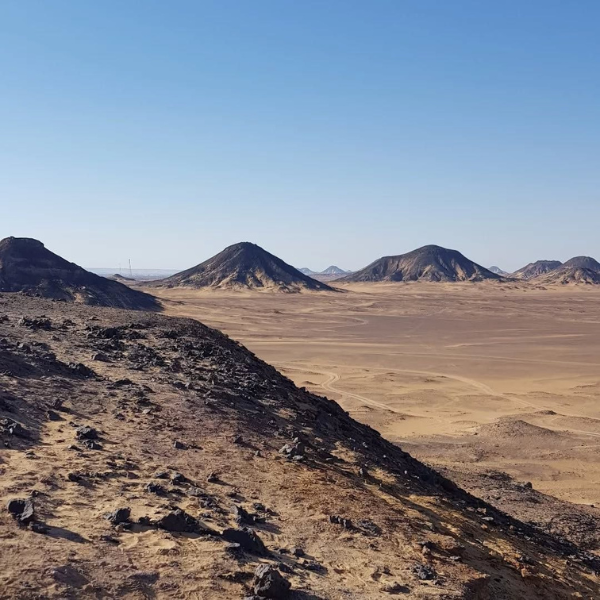
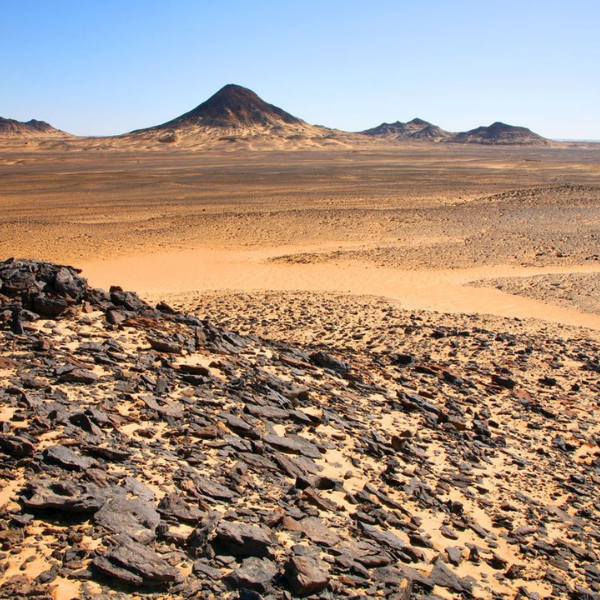
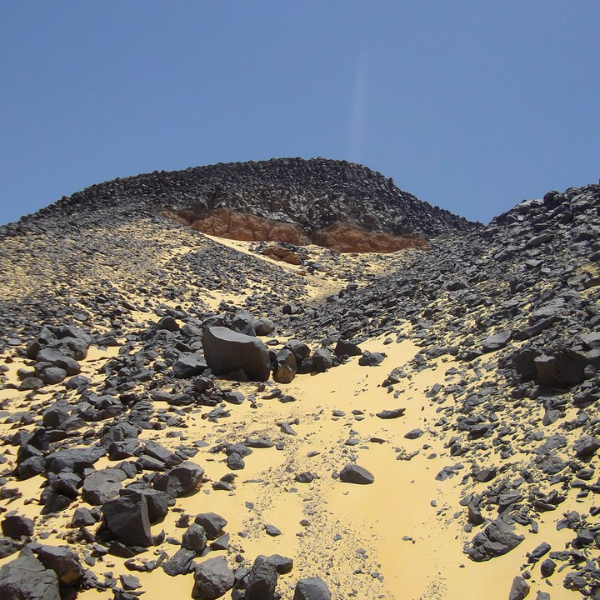
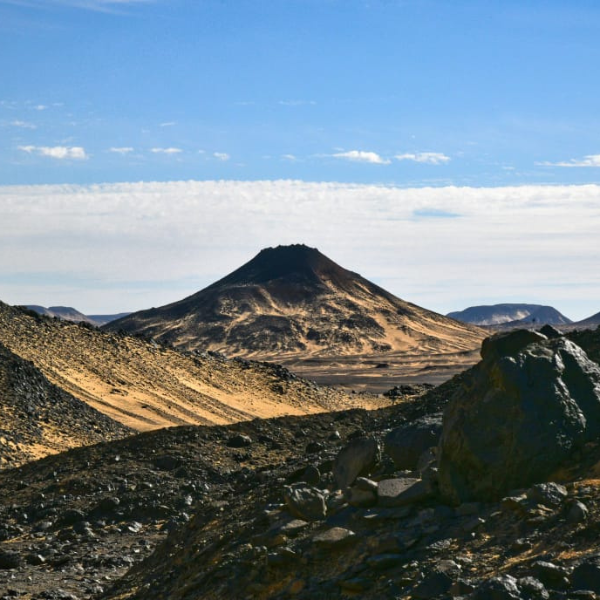
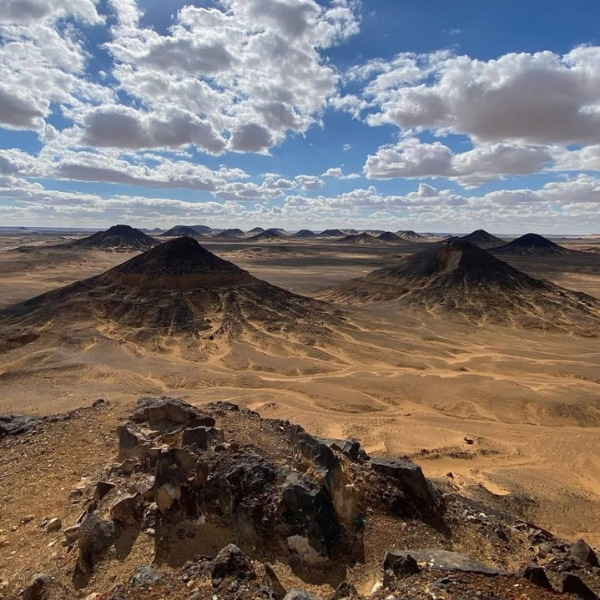
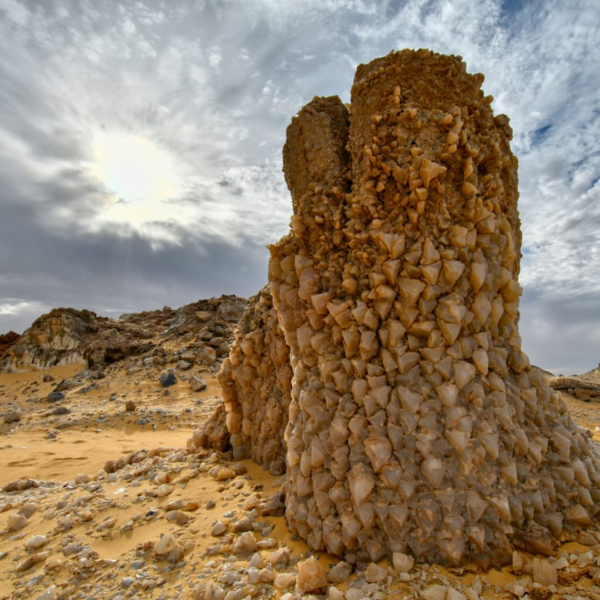
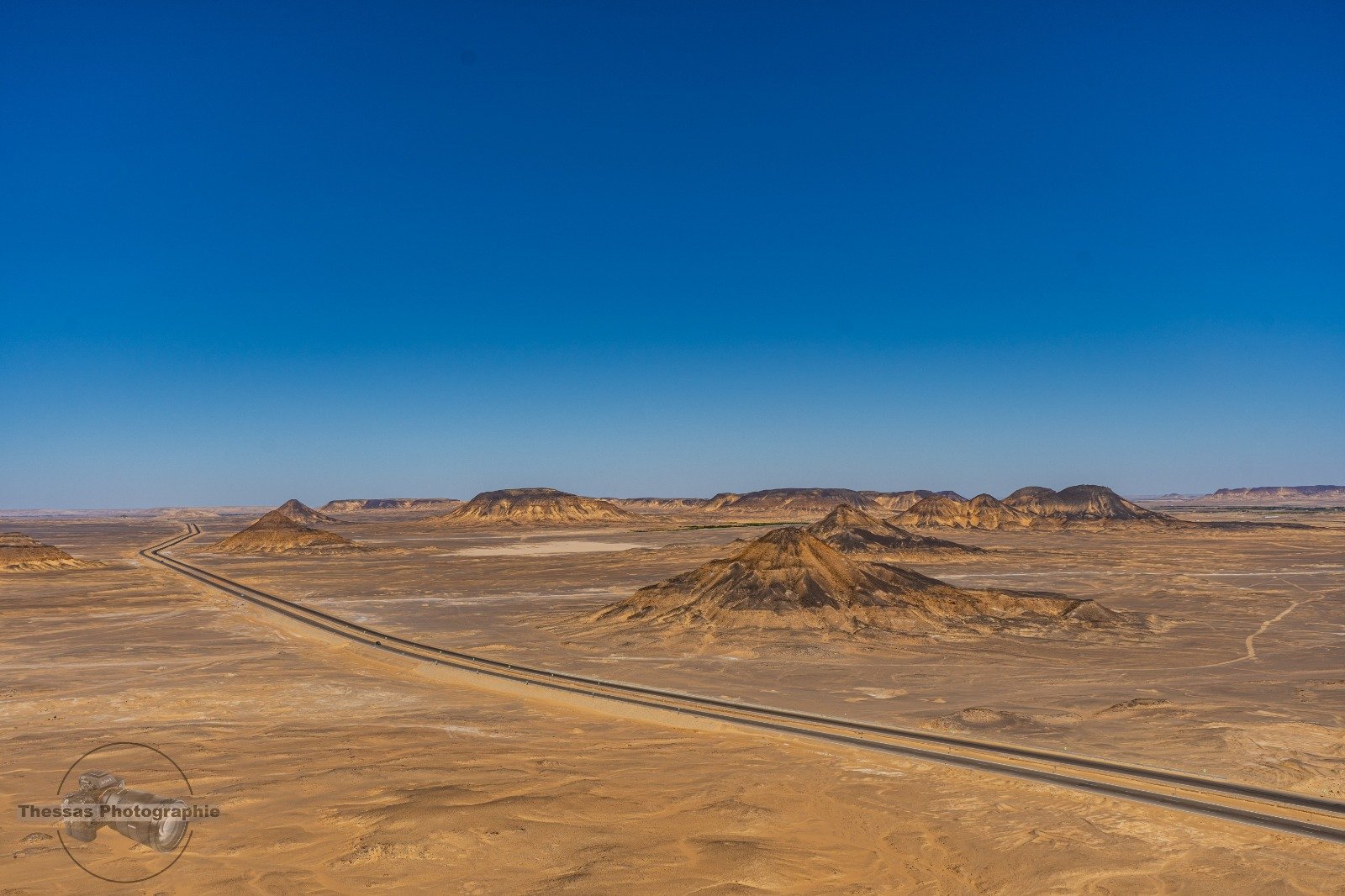
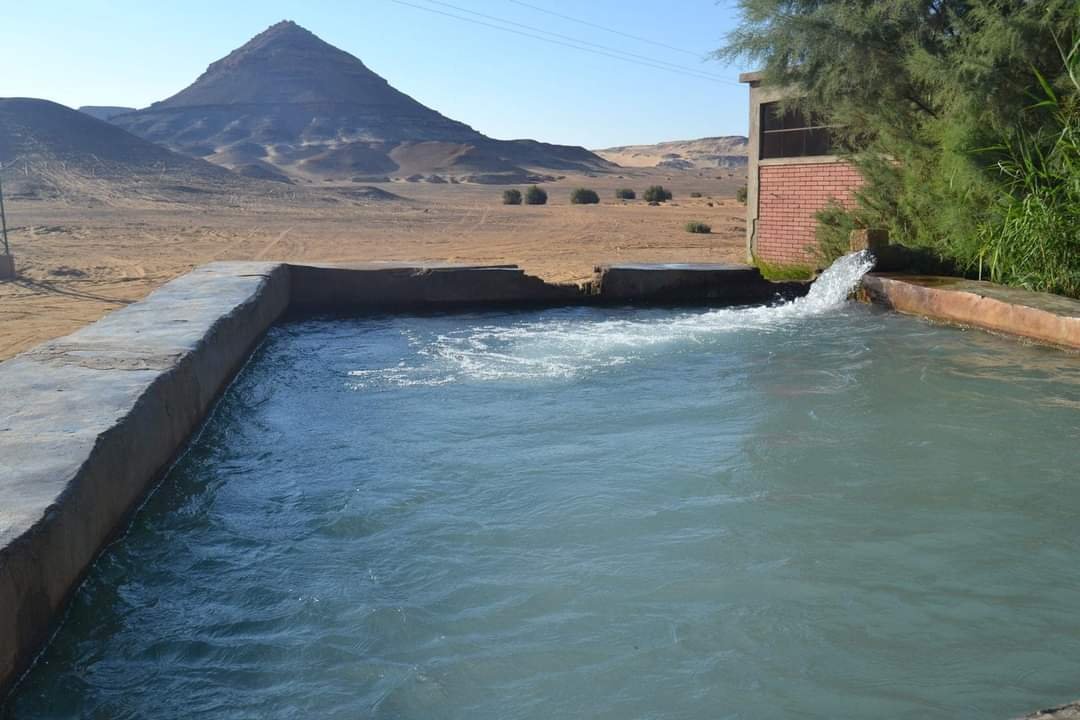
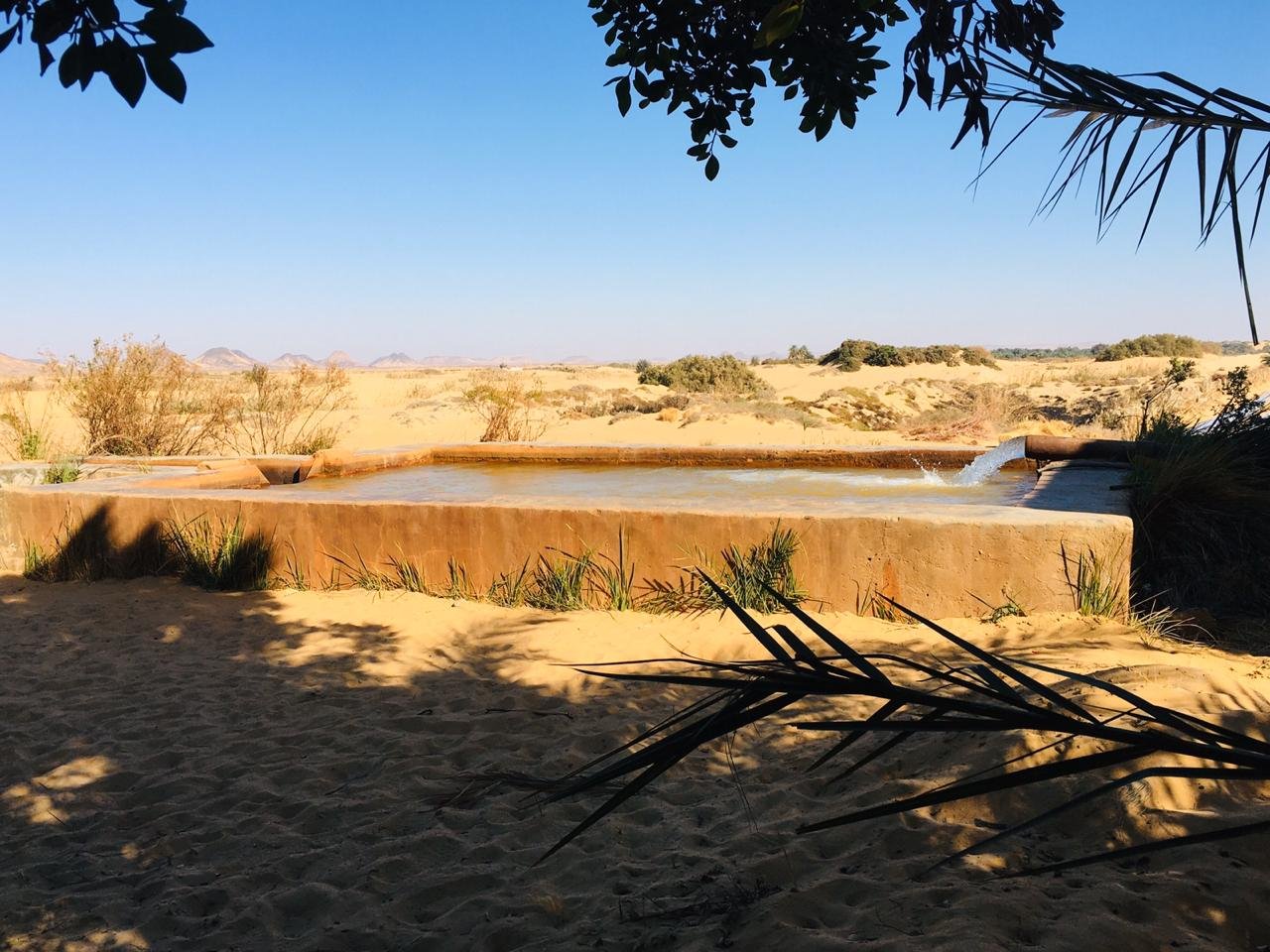
Explore the dark hills of the Black Desert, visit El Heiz Village and a natural cold spring, discover the sparkling formations of Crystal Mountain, and continue deep into the spectacular Aqabat Valley.
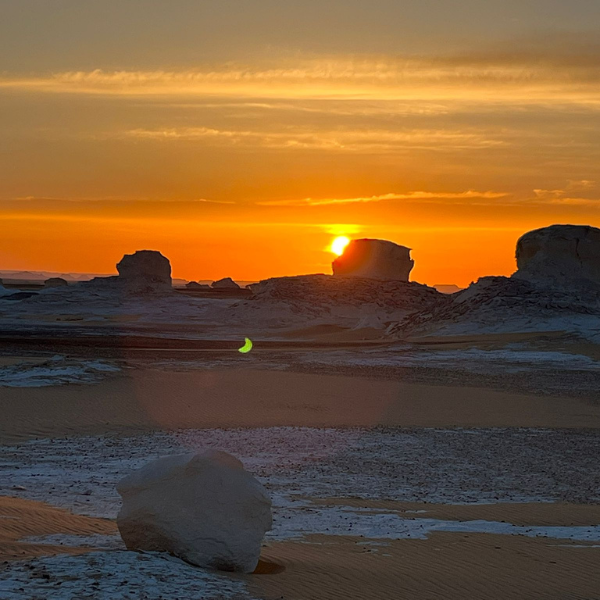
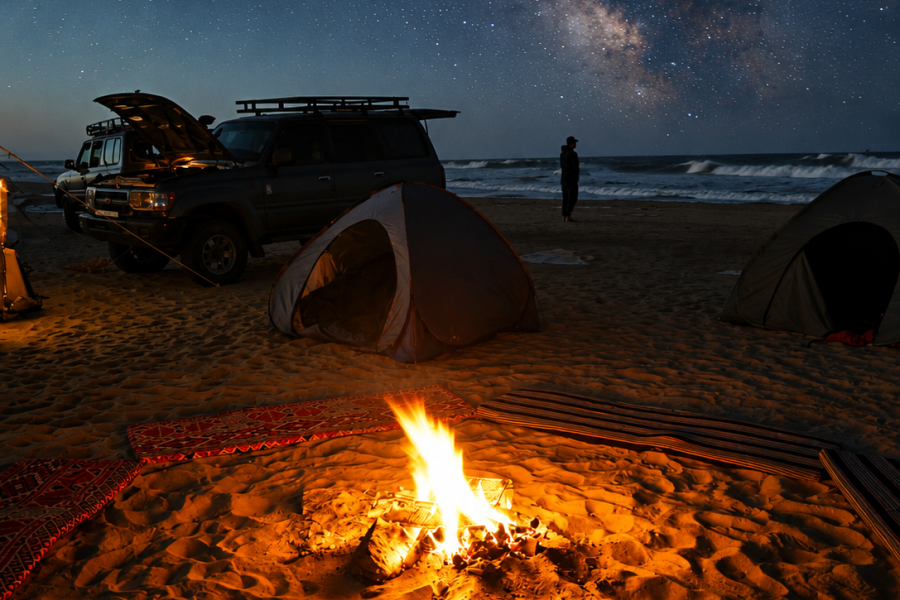
Your first night is spent camping in the remote desert, where silence replaces city noise and the stars become your ceiling.
Then the adventure goes farther.
On Day 2, cross the remote Karaween area and travel toward Djara Cave, an extraordinary limestone cave hidden beneath Egypt’s Western Desert plateau.
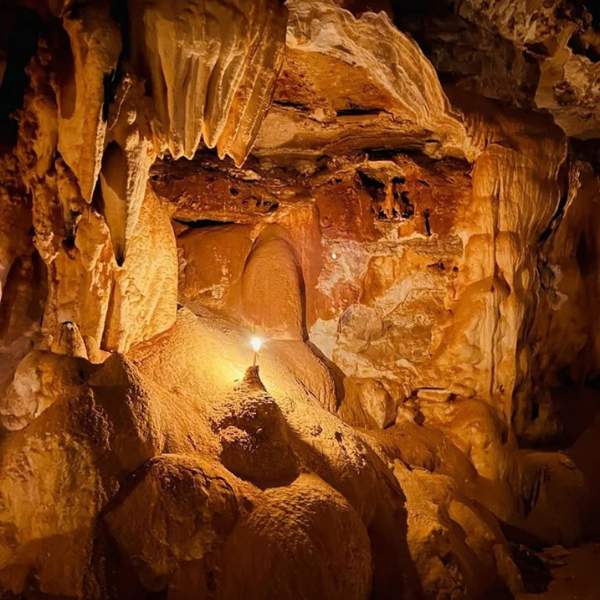
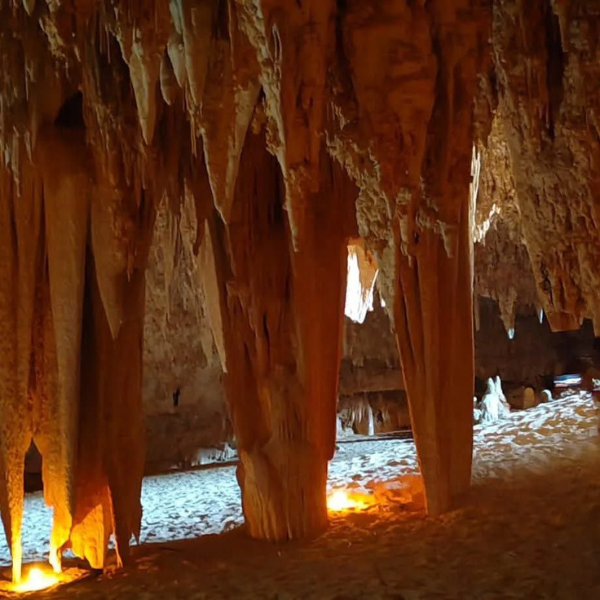
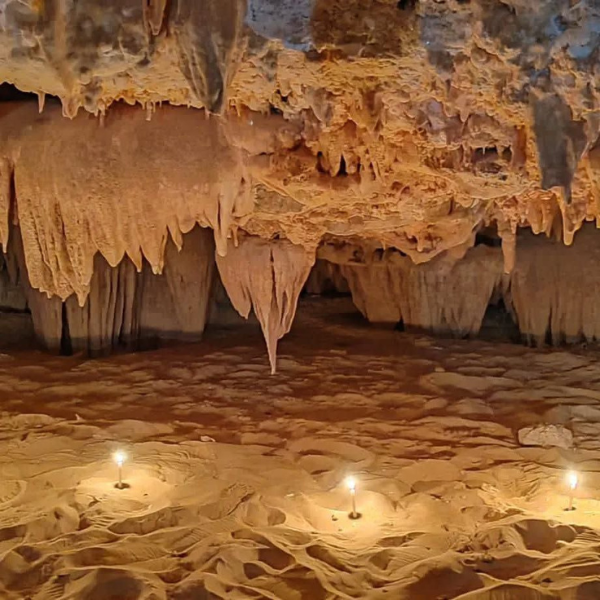
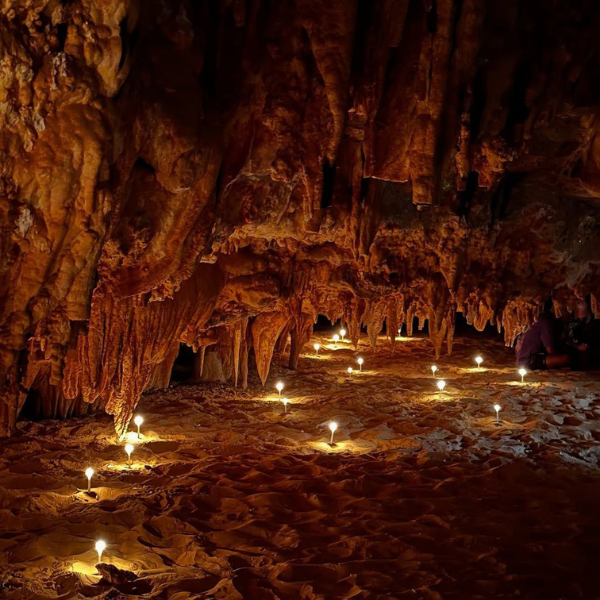
Step inside a landscape formed during a very different climatic chapter of the Sahara, with natural cave formations and evidence of prehistoric human presence creating an experience completely unlike the open desert above.
After exploring Djara Cave and enjoying lunch, return toward the New White Desert for your second night of camping beneath the stars.
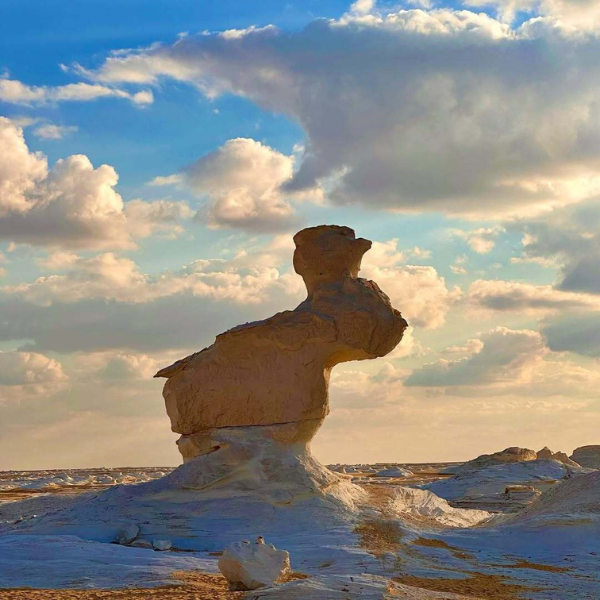
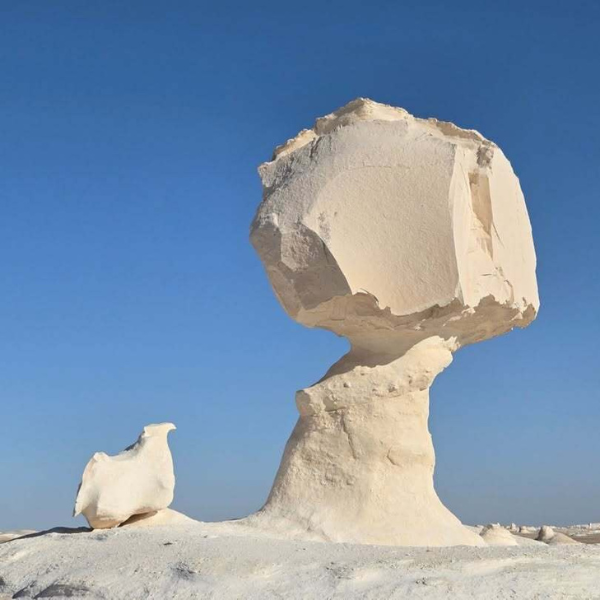
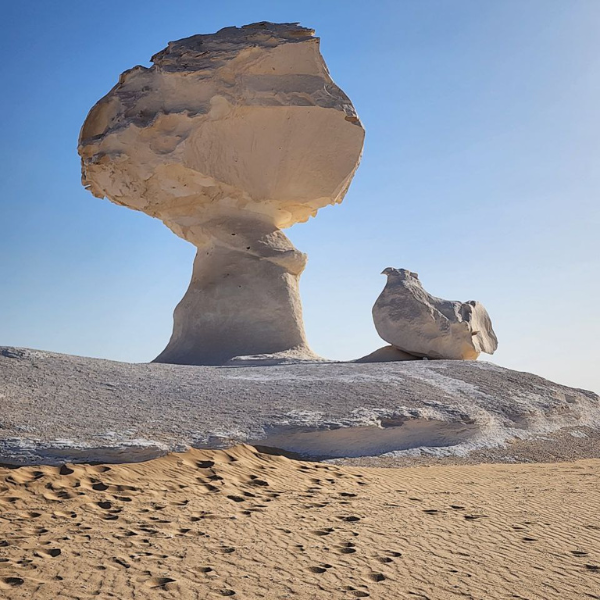
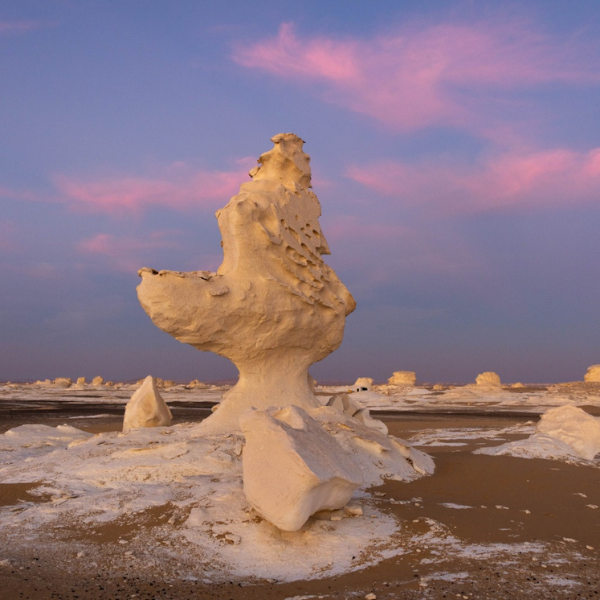
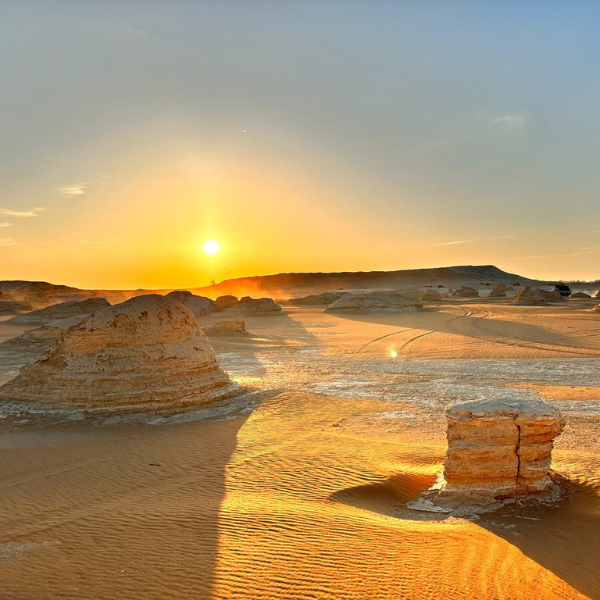
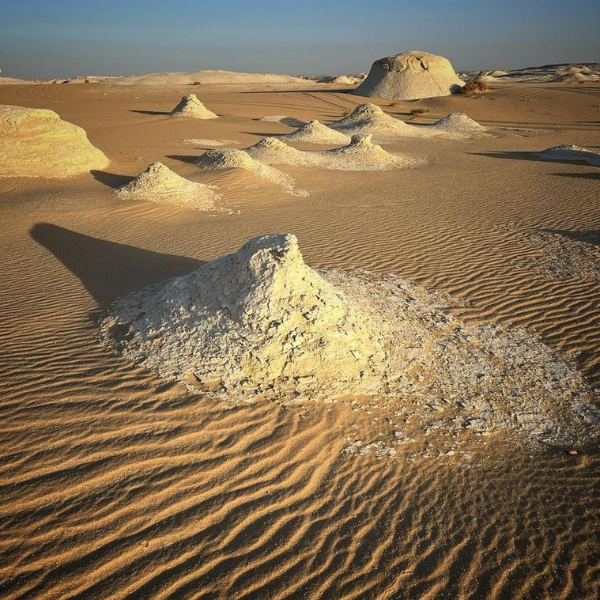
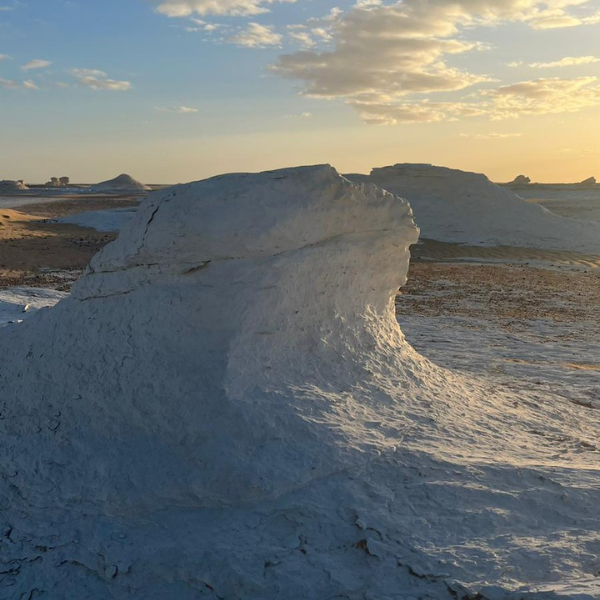
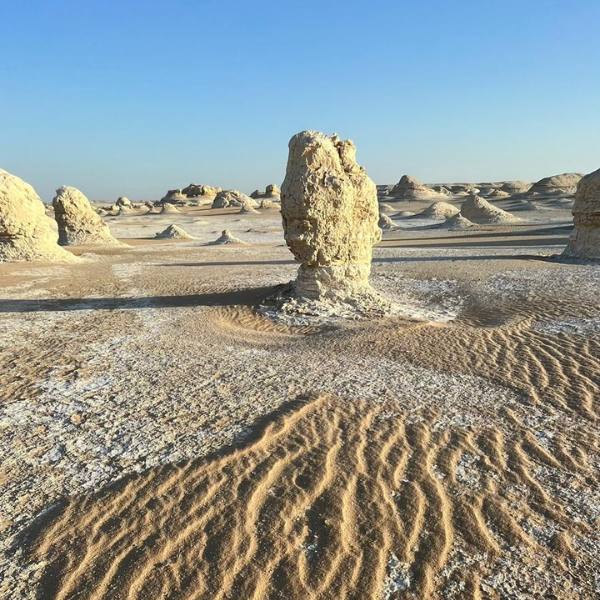
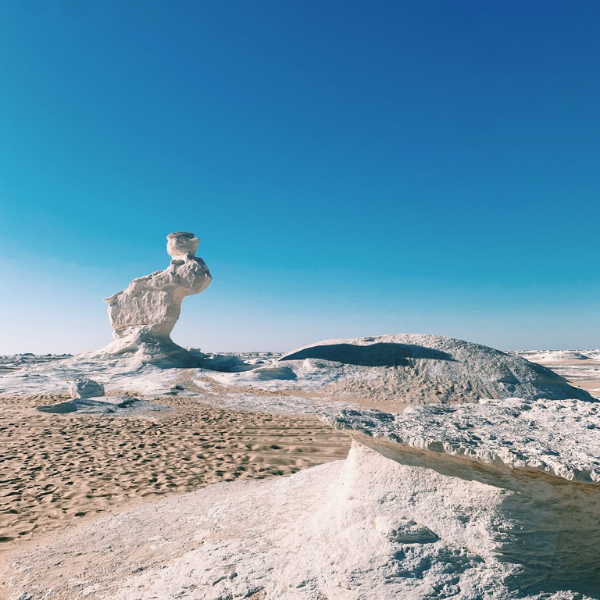
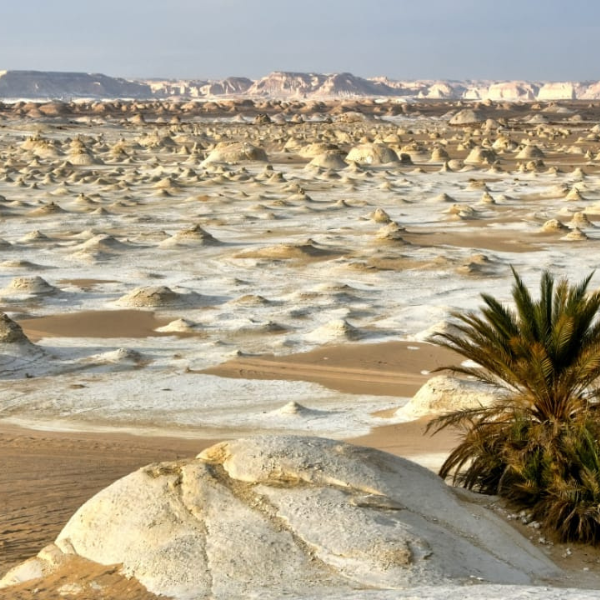
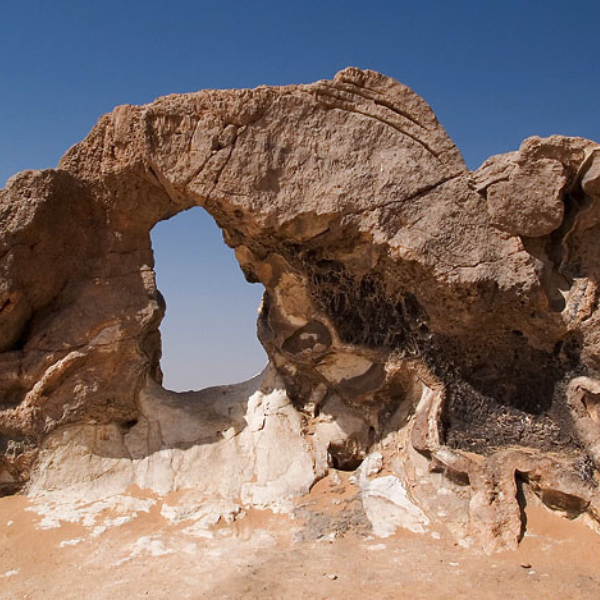
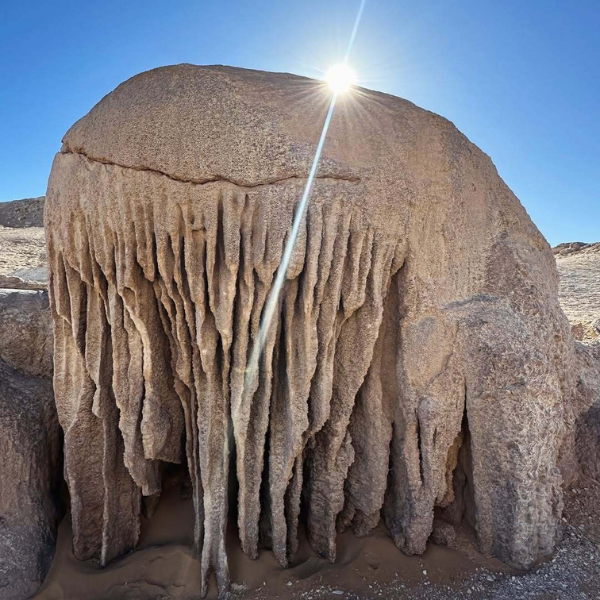
Wake up surrounded by the White Desert on your final morning and explore its most remarkable limestone formations before travelling through the Old White Desert, famous for its unusual tent and mushroom-like shapes.
Then return to Bahariya Oasis and continue by private car back to Cairo.
This is not simply a White Desert tour.
It is a journey into one of Egypt’s most remote desert landscapes — combining wilderness, geology, archaeology, adventure and two unforgettable nights beneath the stars.
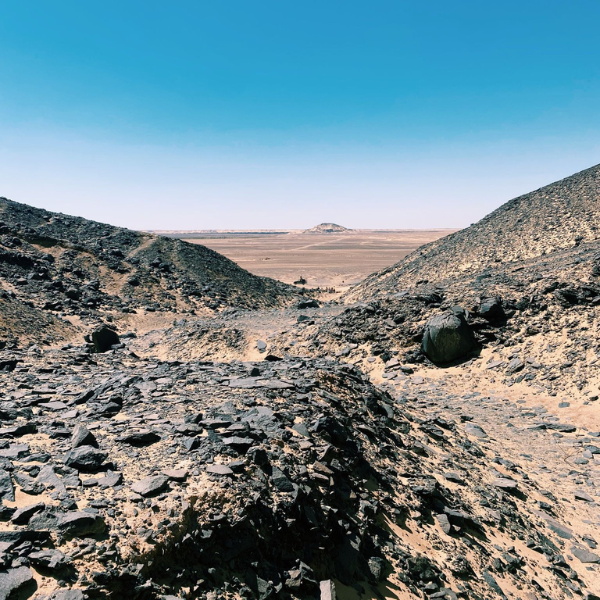
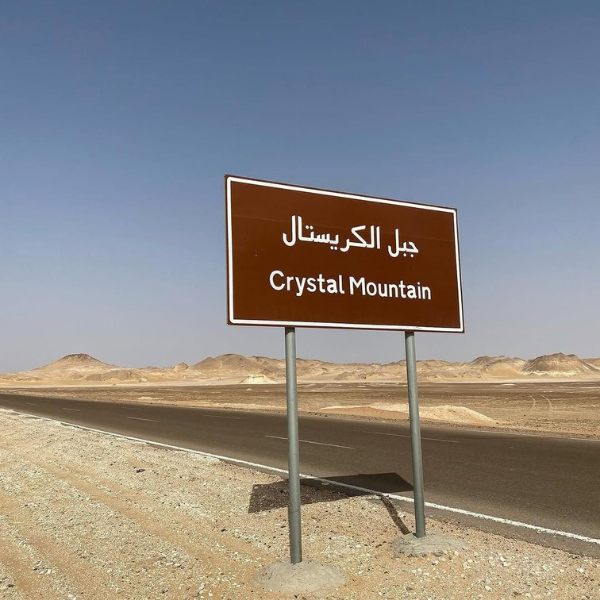
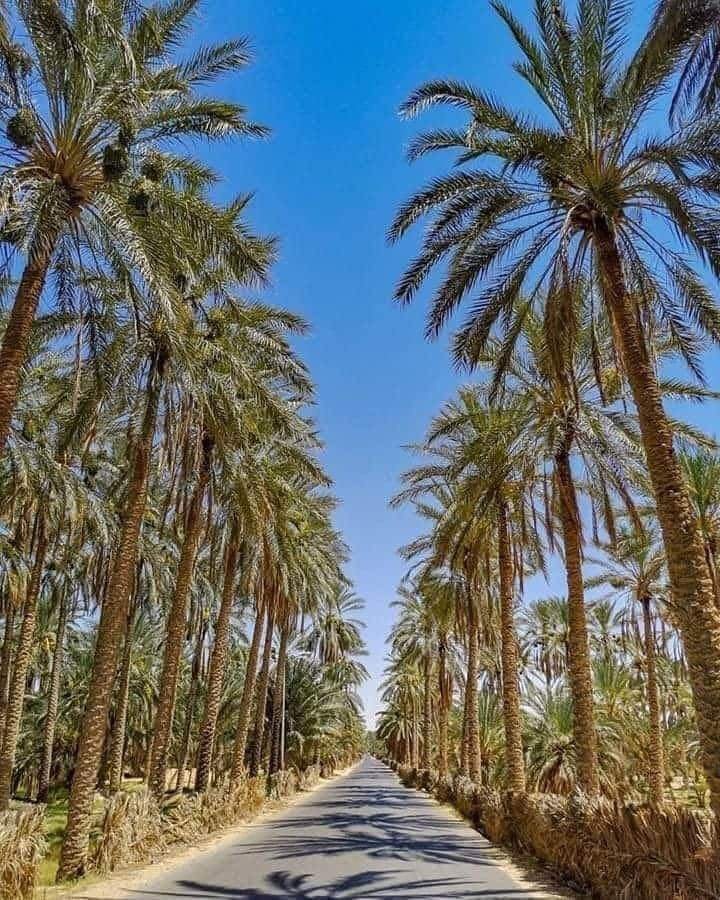
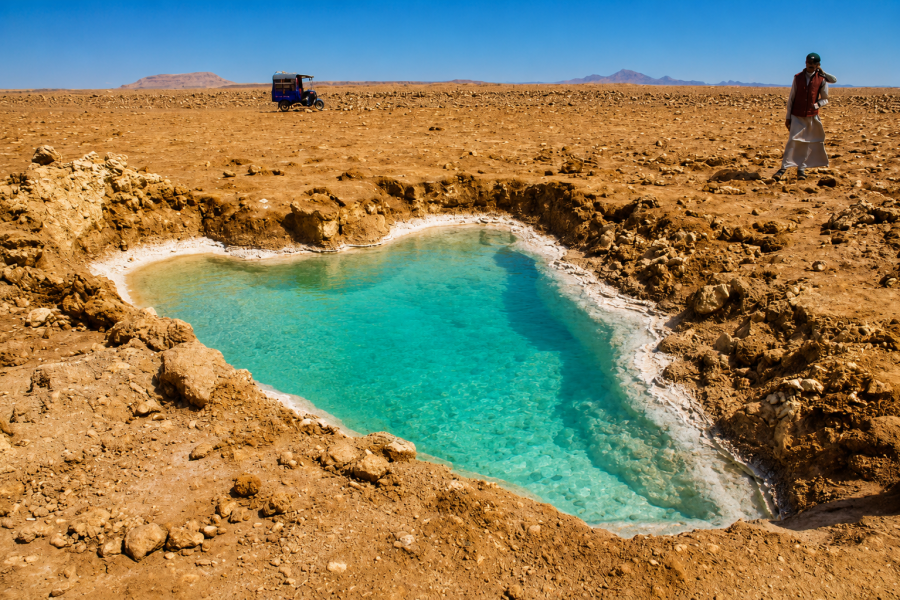
Your adventure begins early in the morning when your driver meets you at your agreed pickup point in Cairo. Travel west by private vehicle toward Bahariya Oasis. The road journey generally takes around four to five hours depending on your pickup location, traffic, stops and road conditions. As Cairo disappears behind you, the urban landscape gradually gives way to the enormous open spaces of Egypt’s Western Desert. Arrival in Bahariya Oasis Upon arrival in Bahariya Oasis, enjoy lunch and take a short break. Your 4x4 safari vehicle and desert team will then be ready to begin the off-road portion of the journey. From this point onward, the landscape changes dramatically. Black Desert Your first major stop is the Black Desert. Dark stones cover the surrounding hills and desert surface, creating a striking contrast with the white landscapes you will explore later in the trip. Stop for panoramic views and photographs before continuing deeper into the Western Desert. El Heiz Village & Cold Spring Continue toward El Heiz Village, a small desert settlement surrounded by palms and open landscapes. Stop near a natural cold spring and take some time to relax before continuing the safari. Crystal Mountain Drive toward Crystal Mountain, one of the most recognizable geological attractions along the White Desert route. Its sparkling formations reflect the desert sunlight, making it an excellent stop for photography and a fascinating introduction to the geology of the region. Egypt’s official tourism portal describes Crystal Mountain as a geological wonder along the Western Desert route. Aqabat Valley Leave Crystal Mountain behind and continue off-road toward the magnificent Aqabat Valley. The scenery becomes increasingly dramatic as enormous pale cliffs rise above golden sand. Aqabat is known for its soft golden sand, dunes and characteristic white cliffs, creating one of the most impressive landscapes of the Western Desert. Take time to enjoy the views and capture photographs before continuing toward your first campsite. First Desert Camp As evening approaches, your desert team will choose a suitable location to set up camp. Watch the sun disappear across the Western Desert before enjoying dinner beneath the open sky. As darkness arrives, the surrounding landscape becomes almost completely silent. Relax around the camp and look upward at a sky far removed from Cairo’s artificial lights. Tonight is your first night under the desert stars. Meals: Lunch & Dinner Overnight: Desert Camp
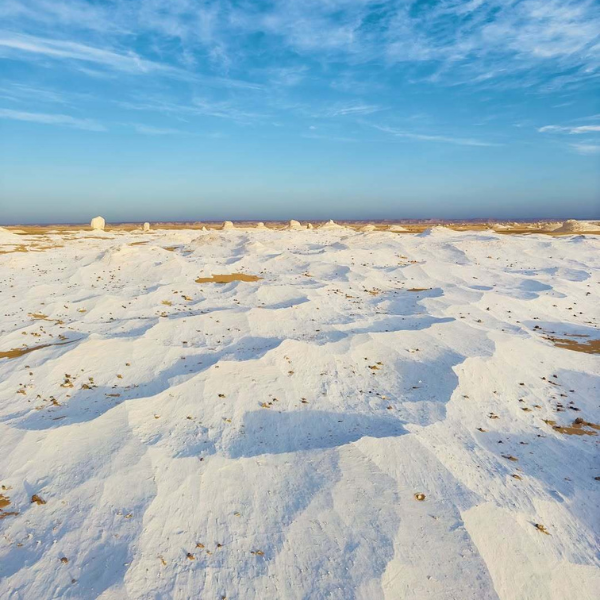
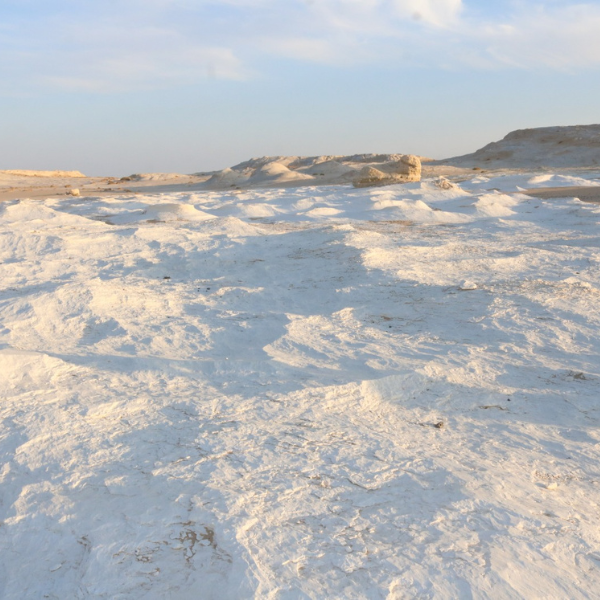
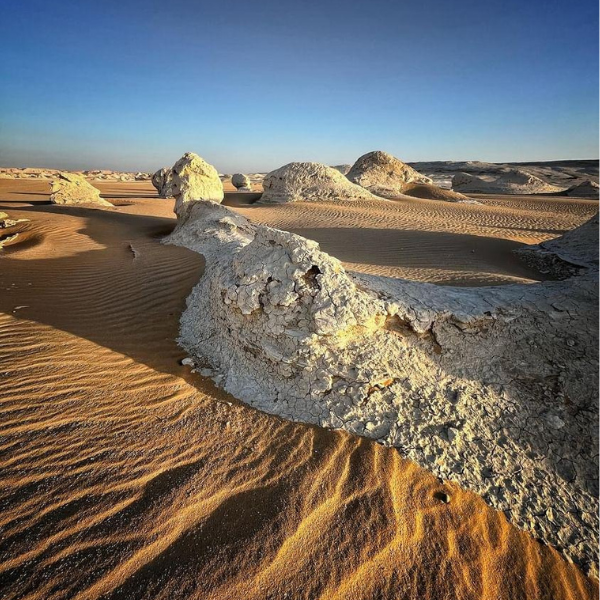
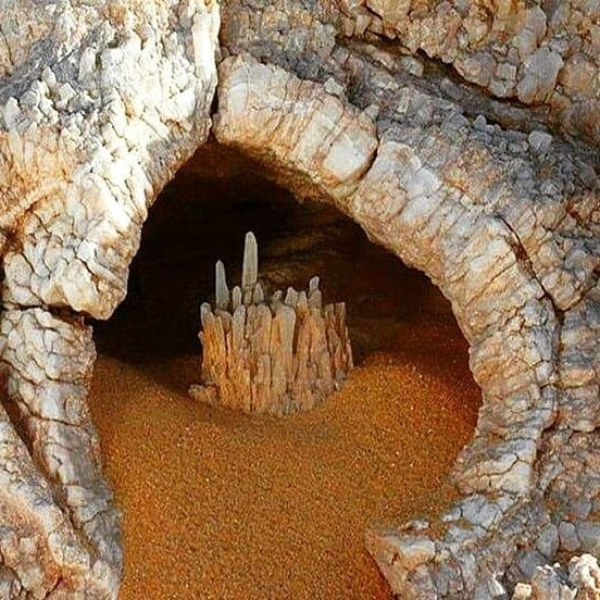
Wake up surrounded by desert silence and enjoy an early breakfast at camp. Today takes you much farther away from the conventional White Desert sightseeing route. After breakfast, prepare for the journey toward Djara Cave. Karaween Desert Area Travel across the remote landscape toward the Karaween area, known for broad desert scenery and dunes. The route itself is part of the adventure. Unlike a normal road transfer, the journey toward Djara crosses remote areas where experienced desert navigation and appropriate 4x4 transport are essential. Journey to Djara Cave Continue toward the road section before travelling onward toward Djara Cave. The exact journey time can vary according to your campsite, authorized route, sand conditions, weather and current access arrangements. Djara is not a developed tourist attraction with paved access and conventional visitor facilities. It lies in a remote part of the Egyptian Limestone Plateau, so access should be arranged in advance with an experienced desert operator and appropriate authorization. Djara Cave Arrive at one of the most unusual destinations in Egypt’s Western Desert: Djara Cave Hidden beneath the desert plateau, Djara reveals an underground world completely different from the landscapes above. Natural geological processes created impressive cave formations including stalactites and stalagmites, while archaeological research has also documented prehistoric engravings and rock art within the cave. The cave was recorded by German explorer Gerhard Rohlfs in 1873, and modern archaeological investigation later documented its prehistoric significance. Follow your guide into the cave and take time to experience the dramatic change from the bright open desert to the quiet underground chamber. This is the moment that makes the journey fundamentally different from a standard White Desert safari. Exploring Djara Cave Inside, expect a natural cave environment rather than a modern show cave. The floor and surfaces are natural, lighting is limited, and the cave’s formations and archaeological remains must be treated carefully. Follow your guide’s instructions and avoid touching the formations or ancient rock art. A headlamp or suitable light, closed shoes and a small day bag are particularly useful for the visit. Lunch in the Djara Area After your cave visit, take a break for lunch surrounded by the remote Western Desert landscape. Enjoy the extraordinary feeling of being far from Egypt’s busy cities and conventional tourism routes. After lunch, begin the journey back toward the White Desert. New White Desert Return toward the remarkable New White Desert. Here, white chalk and limestone formations rise from the desert floor in extraordinary shapes created naturally by erosion. Drive between the formations and stop at selected locations for photographs and exploration. After the enclosed underground world of Djara Cave, the enormous open horizons of the White Desert create another dramatic contrast. Second Night Camping in the White Desert As sunset approaches, your team will choose a suitable camping location in the White Desert area. Watch the evening light transform the white landscape before enjoying dinner at camp. Relax with tea around the fire and experience your second night beneath the Western Desert sky. After a full day of remote exploration, the silence of the White Desert provides the perfect ending. Meals: Breakfast, Lunch & Dinner Overnight: White Desert Camp
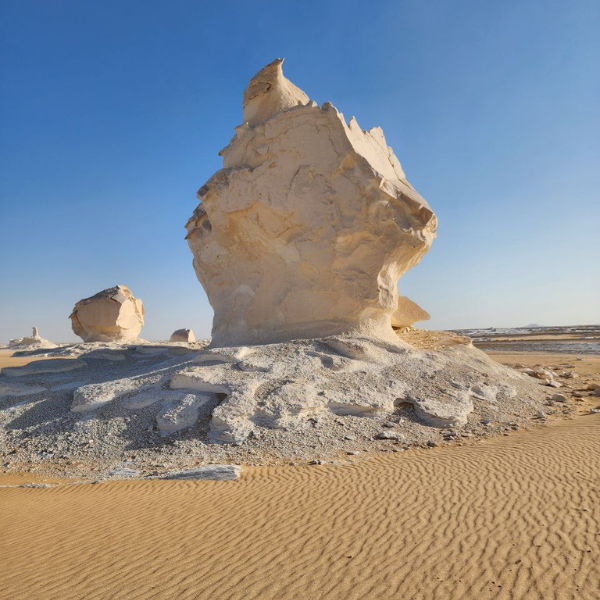
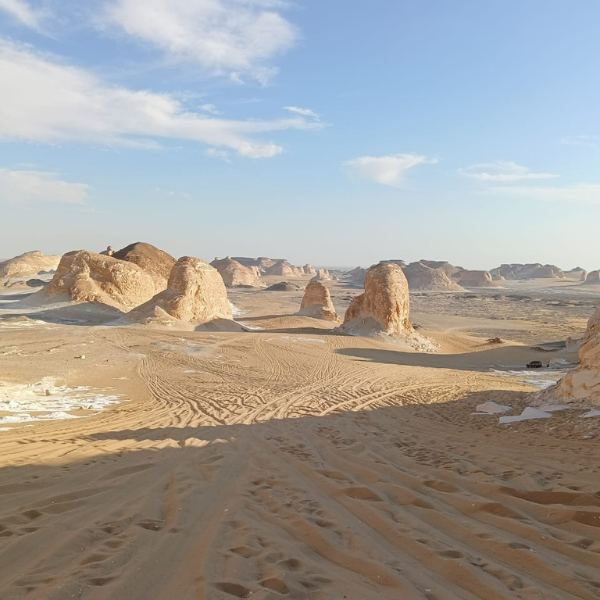
Wake up for your final morning in the desert. Enjoy breakfast at camp surrounded by the formations of the White Desert. Before leaving, there is still more to explore. White Desert Limestone Formations Drive through the New White Desert and discover some of its most interesting natural formations. Wind and erosion have created shapes that appear almost sculpted by hand. Depending on the operating route, your guide will stop at some of the most striking formations for photographs and short walks. Old White Desert Continue toward the Old White Desert. Here, you will discover another collection of formations including shapes often compared to tents and mushrooms. The difference between the Old and New White Desert landscapes provides a final reminder of just how varied this part of Egypt can be. Return to Bahariya Oasis Continue by 4x4 back toward Bahariya Oasis. After several days surrounded by remote desert, the return of palm trees, roads and villages marks the end of the safari portion of the journey. Your private road vehicle will be waiting for you. Bahariya Oasis → Cairo Transfer back into your private car and begin the journey toward Cairo. Relax after three days of adventure as you travel east across the Western Desert. Upon arrival, you will be dropped off at your agreed location in Cairo. Your journey ends with memories of: Black Desert hills, Crystal Mountain, Aqabat Valley, the hidden world of Djara Cave, two nights beneath the stars and the surreal formations of Egypt’s White Desert. Meals: Breakfast
Many travelers visit the White Desert on a short 2-day White Desert tour from Cairo. That experience can be excellent, but this itinerary is designed for travelers looking for something deeper. The additional day allows the journey to continue beyond the traditional safari route toward Djara Cave. Instead of only experiencing the landscapes above ground, you discover an underground natural and archaeological environment hidden beneath the Western Desert plateau. The result is a trip combining: Adventure
Nature
Geology
History & Archaeology
For adventure travelers, photographers and people who have already seen Egypt’s conventional tourist attractions, Djara adds an entirely different dimension to the journey.
Djara Cave, sometimes written as Jara Cave, is a natural limestone cave located on Egypt’s Western Desert plateau. Unlike the open chalk formations of the White Desert, Djara takes travelers underground into a natural chamber containing dripstone formations and prehistoric rock art. Historical research records that explorer Gerhard Rohlfs reached the cave in 1873 after being shown the location by his Egyptian caravan guide. The cave later returned to archaeological attention in the late twentieth century, when researchers documented engravings and archaeological remains in and around the site. For SEO purposes, we should mainly use the spelling Djara Cave, while naturally mentioning Jara Cave once or twice because travelers may search using either spelling.
The two destinations complement each other perfectly. White Desert You experience enormous open landscapes, sculpted chalk formations, dunes and camping beneath the sky. Djara Cave You experience a hidden underground environment, cave formations and evidence of prehistoric human activity. Together they create one of the most unusual adventure itineraries available in Egypt’s Western Desert.
Adding Djara Cave to a standard overnight White Desert itinerary creates significantly more travel. A 3-day, 2-night White Desert and Djara Cave trip provides a much more practical format because the cave receives its own dedicated day rather than being rushed into a short overnight safari. The schedule also gives travelers:
Current operators running this route similarly use a three-day format because of the additional remote travel involved.
This trip is especially suitable for:
It is less suitable for travelers who dislike long road journeys, off-road driving or basic desert camping conditions.
Both nights are spent in desert camps. Expect a simple outdoor experience rather than hotel-style accommodation. The reward is the environment: open desert, sunset, dinner beneath the sky and nights far from urban light pollution. Camping locations may change depending on weather, route conditions, permissions and operational considerations.
For this White Desert and Djara Cave tour, we recommend:
Closed shoes are particularly useful when visiting Djara Cave because the ground is natural and uneven.
Djara is both a natural and archaeological site. Visitors should never:
Enjoy the cave, photograph responsibly and leave everything exactly where you found it.
Expect limited or no mobile signal during remote sections of the journey. Djara Cave and the surrounding Western Desert are far from major settlements. Download important information before leaving Bahariya Oasis and carry a charged power bank.
Remote Western Desert travel should always be arranged with experienced, authorized desert operators. Access routes can change according to:
The exact campsite, driving route and timing may therefore change while the main experience remains the same. Egypt’s official tourism portal also recommends licensed guides and suitable 4x4 transport for excursions outside Bahariya Oasis.
Three days. Two nights beneath the desert sky. One hidden cave deep in Egypt’s Western Desert. From the black hills outside Bahariya to the white formations of the White Desert and the underground world of Djara Cave, this journey is designed for travelers who want to see an Egypt that few visitors ever experience. Private Journeys. Authentic Egypt.
The tour lasts 3 days and 2 nights, beginning and ending in Cairo.
You spend two nights camping in the Western Desert. The first camp is positioned along the route toward Djara, while the second is in the White Desert area.
The tour starts with an early morning pickup from your agreed location in Cairo. You then travel by private vehicle to Bahariya Oasis, where the 4x4 desert safari begins.
The road journey normally takes approximately four to five hours, depending on traffic, stops, road conditions and your pickup point. Bahariya is approximately 370 km southwest of Cairo according to Egypt’s official tourism portal.
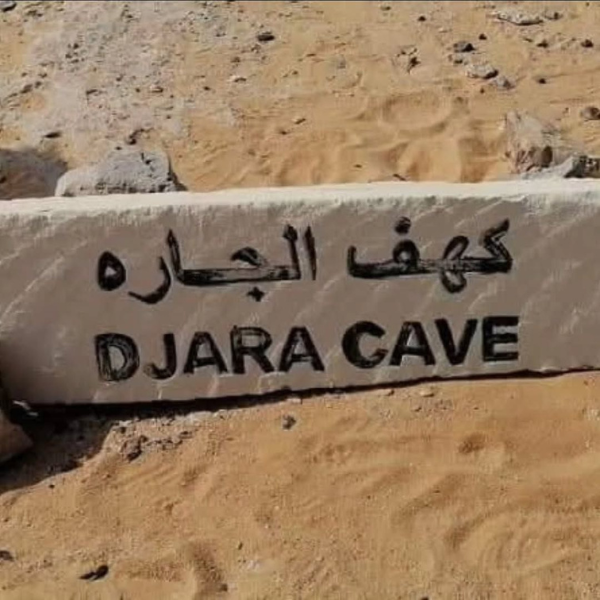
Djara Cave is a natural limestone cave in Egypt’s Western Desert known for its underground formations and prehistoric rock engravings.
Yes. You may see the name written as Djara Cave, Jara Cave or Gara Cave in English-language material. For this website, we recommend using Djara Cave consistently as the main spelling.
The cave was known to local desert travelers long before modern archaeological documentation. German explorer Gerhard Rohlfs recorded visiting it in 1873 after being guided there by his Egyptian caravan leader. It was later revisited and archaeologically investigated during the twentieth century.
Yes. Djara is a dripstone cave containing natural formations including stalactites and stalagmites.
Yes. Archaeological research has documented engravings and prehistoric rock art within the cave.
A same-day journey from Cairo is not a practical way to experience Djara because reaching Bahariya alone requires several hours before the remote desert route begins. The 3-day format provides far more realistic time for the White Desert, Djara Cave and overnight camping.
Yes. The remote desert sections require a suitable 4x4 and an experienced desert driver familiar with local routes and conditions.
Yes. The program includes the Black Desert on Day 1 and the White Desert during the later sections of the itinerary.
Yes. Crystal Mountain is included during Day 1 before continuing toward Aqabat Valley.
Yes. Aqabat Valley is one of the major landscape highlights on the first day.
Yes. The itinerary includes the New White Desert and, on Day 3, the Old White Desert with its distinctive formations.
This depends on the child’s age and comfort with long road journeys, remote locations, uneven cave surfaces, 4x4 travel and two nights of camping. Families should discuss the exact conditions with the tour operator before booking.
No advanced hiking skills are normally required, but guests should be comfortable walking on natural surfaces, travelling off-road for extended periods and camping for two nights.
Comfortable clothing and closed shoes with good grip are recommended. A headlamp or flashlight can also be useful because the cave is naturally dark.
Do not expect continuous internet or mobile coverage. Signal may become weak or unavailable after leaving populated areas.
Yes. Western Desert routes can change because of weather, permits, sand conditions, regulations or instructions from local authorities. The final operating route should always prioritize safety and current access requirements.
A classic White Desert safari focuses mainly on the Black Desert, Crystal Mountain, Aqabat and White Desert formations. This itinerary travels much farther into the Western Desert to visit Djara Cave, giving travelers a combination of desert landscapes, underground geology and prehistoric archaeology.
Yes. The itinerary provides very different photographic environments:
It is one of the more varied Western Desert routes for landscape and adventure photography.

Member Since 2026